You’ve been hitting your protein. You’ve been training consistently. You’re not 18 anymore.
So why does it feel like nothing is actually changing?
Here’s the uncomfortable truth: most of what gets marketed as “muscle-building nutrition” was designed for 22-year-olds with anabolic hormones doing most of the heavy lifting. If you’re in your late 30s or early 40s, the rules are different – and almost nobody told you.
YOUR PROTEIN NUMBER IS PROBABLY WRONG (AND TOO LOW)
The old standard was 0.8 grams of protein per kilogram of bodyweight. That number was built around preventing deficiency – not building muscle in a body with declining testosterone and slower recovery.
The International Society of Sports Nutrition puts the evidence-based range for exercising individuals at 1.4–2.0g of protein per kilogram of bodyweight per day – roughly double what the standard RDA recommends. And a 2023 study published in Frontiers in Nutrition found that older men on the higher end of that range gained nearly twice the skeletal muscle mass compared to those eating at the RDA level.
A 2024 review in Frontiers in Nutrition confirmed that bodies setting dietary reference values increasingly support higher protein targets specifically for older adults – because the RDA was simply never calibrated for building muscle in an aging body.
The bigger issue isn’t just the amount. It’s the distribution.
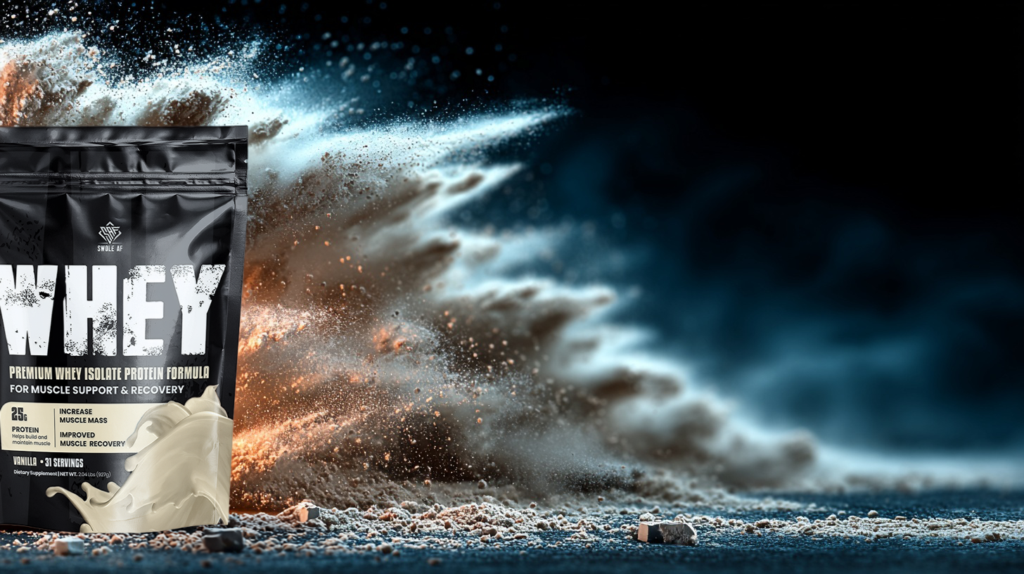
EATING 50G OF PROTEIN ONCE A DAY DOESN’T WORK LIKE YOU THINK
Your body can only synthesize so much muscle protein from a single feeding. Research shows that ~30g of high-quality protein per meal is what it takes to maximally stimulate muscle protein synthesis in adults – and that piling more into a single sitting doesn’t compound the effect.
A landmark study from The University of Texas Medical Branch, published in the Journal of Nutrition, found that people who spread ~30g of protein evenly across breakfast, lunch, and dinner had ~40% higher 24-hour muscle protein synthesis than those who ate the same total protein loaded toward one meal. Same calories. Same total protein. Completely different muscle-building result.
Additional research in the Journal of the International Society of Sports Nutrition supports this: your body doesn’t bank excess protein from one massive meal for later use. Unlike fat or carbohydrates, there’s no meaningful “overflow storage” mechanism for amino acids aimed at muscle building.
This is especially important after 35, when something called anabolic resistance starts working against you.
WHAT IS ANABOLIC RESISTANCE – AND WHY IT MATTERS MORE THAN YOUR MACROS
Anabolic resistance is your muscle’s decreasing ability to respond to protein and exercise signals as you age. Researchers at McMaster University define it as a blunted muscle protein synthetic response to the same stimuli that work easily in younger people.
Translation: you can eat the same protein and do the same workout as a 24-year-old and still see a smaller muscle-building response. Not because you’re broken – because your biology has changed.
A 2025 review in Nutrients found that signs of impaired muscle anabolism may be apparent as early as the fifth decade of life – and that even lifelong endurance training doesn’t completely prevent it.
The good news: resistance training directly counteracts anabolic resistance. Research published in the Journal of Nutrition found that healthy older adults who trained consistently did not show the same blunted amino acid response as sedentary peers. The gym is your best defense.
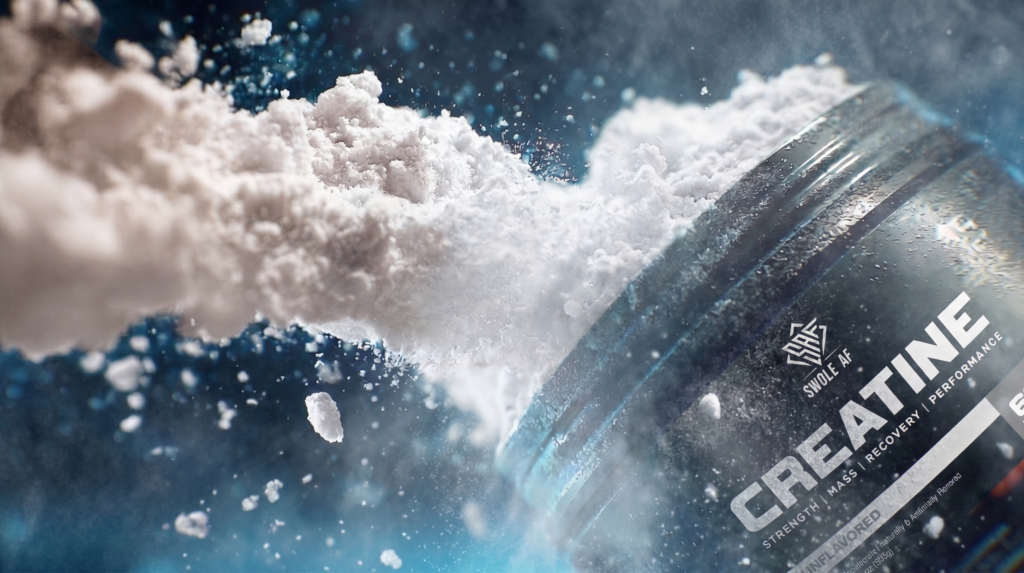
THE CREATINE THING IS NOT A GYM BRO MYTH
Creatine is the most researched supplement in sports nutrition – full stop. Its safety profile is established over decades. But for people over 35, there are three reasons it matters that most people still don’t talk about.
- It supports brain function.
A 2023 narrative review in Sports Medicine by researchers at the University of Regina confirmed that creatine supplementation can increase brain creatine stores – which may explain improvements in cognition and memory, particularly in aging adults and during metabolic stress like sleep deprivation. A systematic review and meta-analysis in Nutrition Reviews specifically found measurable improvements in memory performance in healthy individuals, with older adults showing the strongest response. - It increases your training ceiling.
Creatine replenishes ATP – your muscles’ primary energy currency – faster during high-intensity efforts. More available ATP means more total work per session. You’re not training harder; you’re finally training at the level you’ve been trying to reach. - It pulls water into muscle cells – and that’s a good thing.
Creatine is osmotically active, meaning it draws water into muscle cells. That cellular swelling isn’t cosmetic. It acts as an anabolic signal, triggering pathways that promote muscle protein synthesis. The cell interprets increased volume as a favorable environment for growth – and responds accordingly.
Standard dose: 3–5g per day. No loading phase required. No cycling off. Just take it, consistently, every day.
THE “EATING CLEAN” TRAP NOBODY WARNS YOU ABOUT
This one’s going to sting a little.
“Clean eating” – the thing most health-conscious people in their late 30s default to – often means under-eating total calories without realizing it. Brown rice, chicken breast, steamed vegetables, and a handful of almonds is a genuinely nutritious meal. It’s also probably 400–500 calories and 35g of protein.
Do that three times a day and you’re at 1,200-1,500 calories. That’s a weight-loss deficit, not a muscle-building environment.
Building muscle requires being in a slight caloric surplus – or at minimum, eating at maintenance. If you’re staying lean with nothing to show for it in the gym, your body isn’t building. It’s surviving.
The fix isn’t to stop eating well. It’s to eat more of what’s already working, and track for one week to see where the actual gaps are.
WHAT ACTUALLY NEEDS TO CHANGE (IN ORDER OF IMPACT)
- Hit 30-40g of protein at every meal, three times a day minimum.
This is the highest-leverage change most people aren’t making. Not total daily protein – per meal distribution. - Add creatine monohydrate to your daily routine.
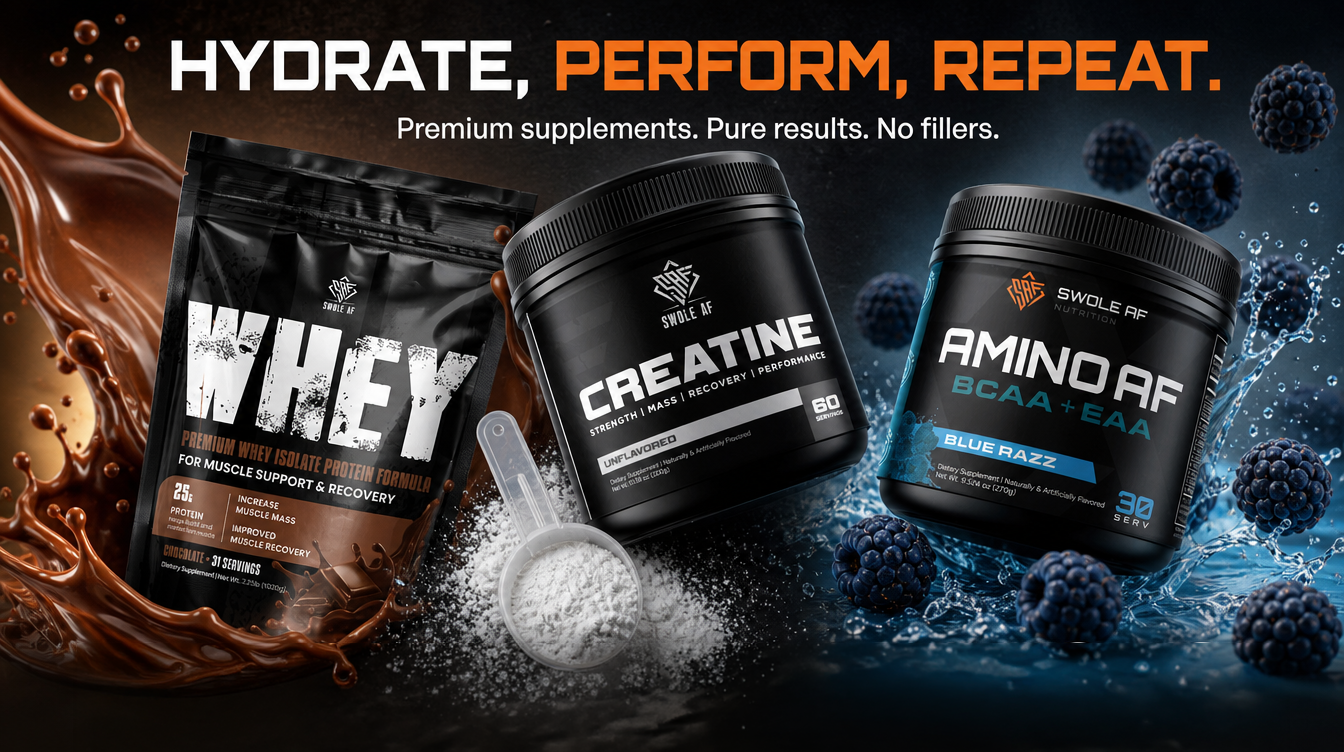
3–5g, same time every day. Buy the unflavored powder. Don’t overthink it. - Audit your total calories for 7 days.
Don’t guess. Actually log. Most people are surprised how far below maintenance they’ve been eating. - Get at least one protein hit within 2 hours post-training.
The post-workout window isn’t magic, but it’s real – especially for recovery in older athletes. - Get 7+ hours of sleep. Non-negotiable.
A 2025 study published in Cell by UC Berkeley researchers mapped the exact brain circuits responsible for growth hormone release during sleep – confirming that deep, non-REM sleep is when your body produces the hormones that build muscle and reduce fat. No supplement stack compensates for chronic under-recovery.
THE BOTTOM LINE
You don’t need to eat more garbage. You don’t need a radical overhaul. You need to stop following advice calibrated for someone 15 years younger with a different hormonal profile.
More protein, better distribution, creatine, enough calories to actually fuel muscle growth, and sleep that lets your body do its job. That’s the unsexy truth – and it’s the one that actually works.
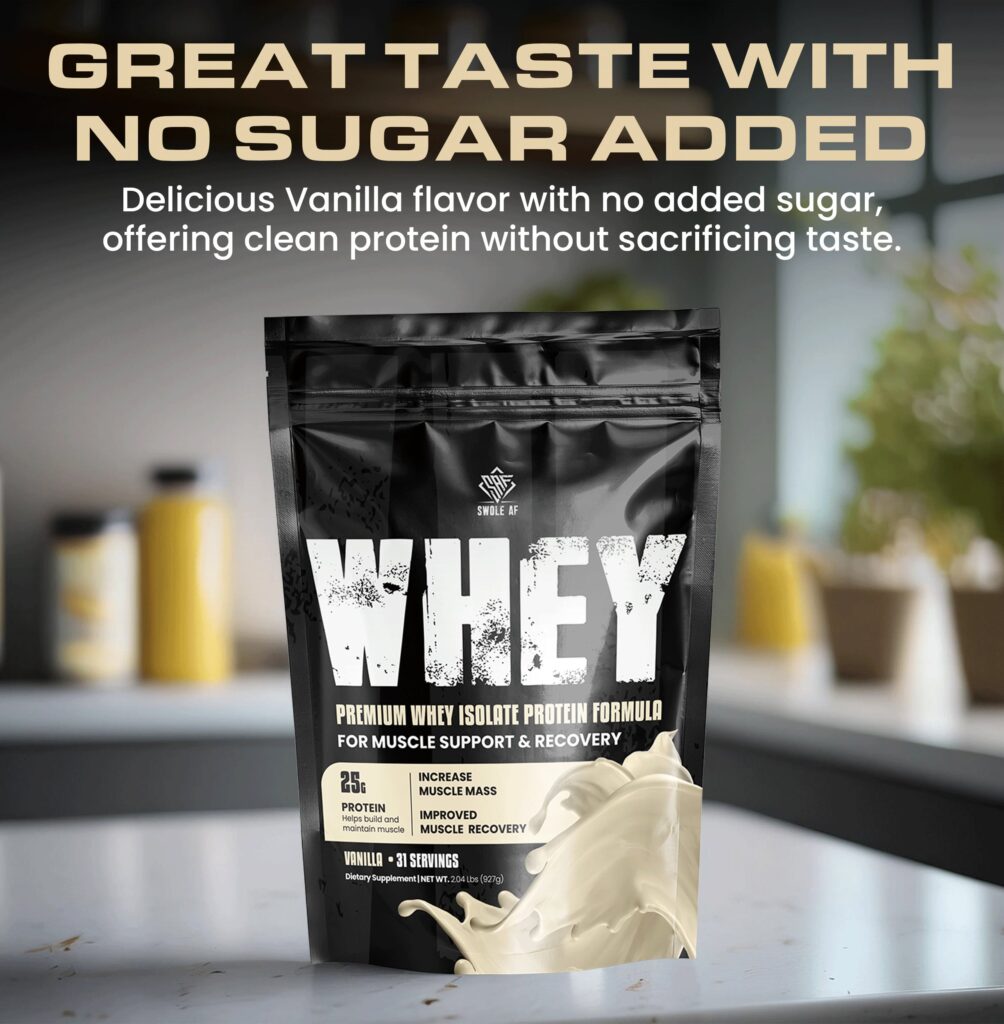
You just read the research. 30–40g of quality protein per meal, distributed across the day, is the single highest-leverage nutrition change you can make.
Let us help with those protein goals at a Fire price right now!
THE SCIENCE BEHIND THIS
- Jäger R, et al. International Society of Sports Nutrition Position Stand: protein and exercise. J Int Soc Sports Nutr. 2017. https://pmc.ncbi.nlm.nih.gov/articles/PMC5477153/
- Bagheri R, et al. Effects of 8 weeks of resistance training in combination with a high protein diet on body composition in untrained older men. Front Nutr. 2023. https://www.ncbi.nlm.nih.gov/pmc/articles/PMC10342203/
- Groenendijk I, et al. Discussion on protein recommendations for supporting muscle and bone health in older adults. Front Nutr. 2024. https://www.ncbi.nlm.nih.gov/pmc/articles/PMC11150820/
- Mamerow MM, et al. Dietary protein distribution positively influences 24-h muscle protein synthesis in healthy adults. J Nutr. 2014. https://pmc.ncbi.nlm.nih.gov/articles/PMC4018950/
- Witard OC, et al. How much protein can the body use in a single meal for muscle-building? J Int Soc Sports Nutr. 2018. https://www.ncbi.nlm.nih.gov/pmc/articles/PMC5828430/
- Macnaughton LS, et al. MPS following whole-body resistance exercise is greater following 40g than 20g of whey protein. Physiol Rep. 2016. https://www.ncbi.nlm.nih.gov/pmc/articles/PMC4985555/
- Burd NA, et al. Anabolic resistance of muscle protein synthesis with aging. Exerc Sport Sci Rev. 2013. https://pubmed.ncbi.nlm.nih.gov/23558692/
- Breen L, Phillips SM. Skeletal muscle protein metabolism in the elderly: interventions to counteract anabolic resistance. Nutr Metab. 2011. https://www.ncbi.nlm.nih.gov/pmc/articles/PMC3201893/
- Witard OC, et al. Age-Related Anabolic Resistance: Nutritional and Exercise Strategies. Nutrients. 2025. https://pmc.ncbi.nlm.nih.gov/articles/PMC12655298/
- Churchward-Venne TA, et al. Muscle protein anabolic resistance to EAAs does not occur in healthy older adults after resistance training. J Nutr. 2018. https://www.sciencedirect.com/science/article/pii/S0022316622163431
- Candow DG, Forbes SC, et al. “Heads Up” for Creatine Supplementation and Brain Health and Function. Sports Med. 2023. https://www.ncbi.nlm.nih.gov/pmc/articles/PMC10721691/
- Prokopidis K, et al. Effects of creatine supplementation on memory in healthy individuals. Nutr Rev. 2023. https://www.ncbi.nlm.nih.gov/pmc/articles/PMC9999677/
- Forbes SC, et al. Effects of Creatine Supplementation on Brain Function and Health. Nutrients. 2022. https://www.ncbi.nlm.nih.gov/pmc/articles/PMC8912287/
- Ding X, et al. Neuroendocrine circuit for sleep-dependent growth hormone release. Cell. 2025. https://www.cell.com/cell/fulltext/S0092-8674(25)00626-9
- Dattilo M, et al. Sleep and muscle recovery: endocrinological and molecular basis. Med Hypotheses. 2011. https://pubmed.ncbi.nlm.nih.gov/21550729/