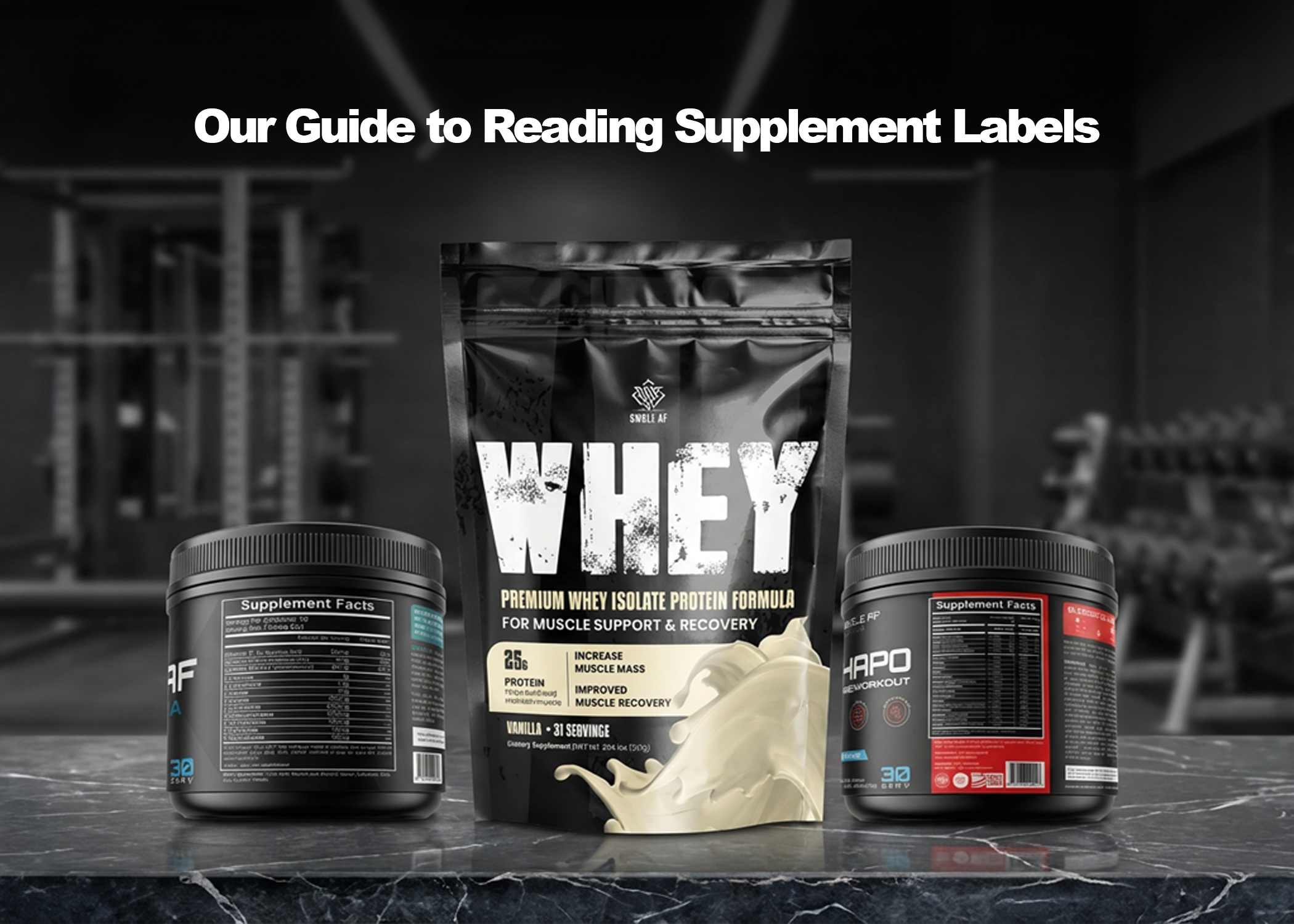
Look Past the Front Label
Most people decide whether a supplement looks “good” within the first few seconds. Bright label. Big claims. Maybe a familiar ingredient name. Decision made.
The strange part is that almost none of the useful information sits on the front of the bottle.
Turn it around and the tone changes immediately. Smaller text. More detail. Less marketing. In practice, that back panel is where the real story lives.
You don’t need a nutrition degree to understand it. What helps more is a habit. Pause for a moment. Ignore the flashy claims. Read what’s actually written. Once you start spotting them too, labels stop feeling confusing.
1. Start With the Supplement Facts Panel First
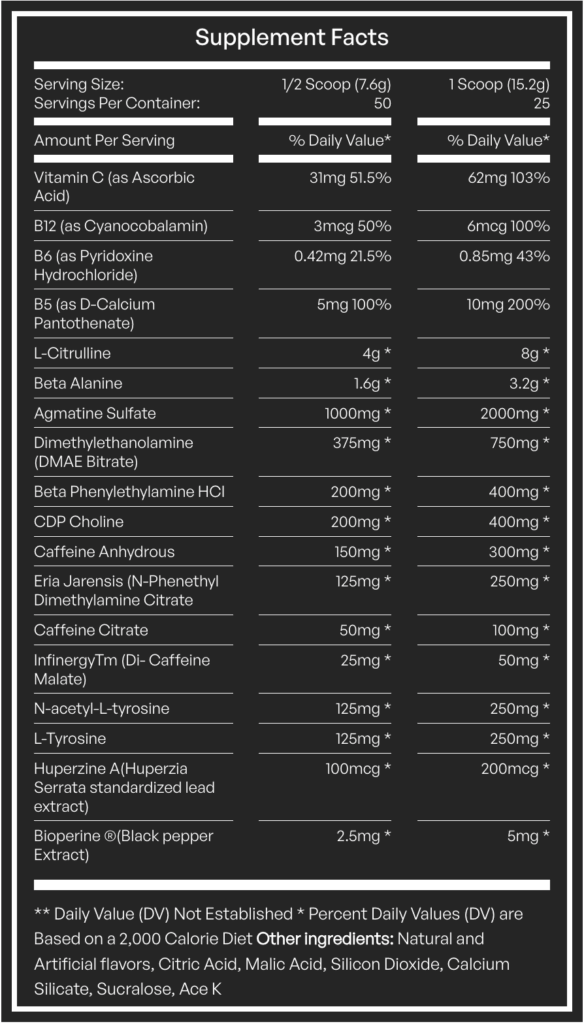
If there’s one place worth reading every time, it’s the Supplement Facts panel.
This section works a lot like a nutrition label on food packaging. It lays out the basic numbers. Serving size. Servings per container. The amount of each ingredient included in a single serving.
Nothing fancy. Just numbers.
Most shoppers never begin here. They read the bold claims on the front instead. That’s understandable. The front label is built to attract attention. The facts panel exists for transparency.
Serving size is usually where people get tripped up.
A bottle might advertise a powerful dose of a certain vitamin. Then you check the panel and realize the serving requires four capsules. Or six. In real life, many people only take one and assume they’re getting the full amount.
That detail alone changes how effective a supplement might be.
Then look at the ingredient quantities themselves. You’ll usually see milligrams or micrograms listed beside each nutrient, along with a percentage of daily value.
Those percentages aren’t random. They’re based on nutritional intake guidelines used in public health research. Anyone curious about how those standards are determined can review the science through the recommended nutrient intake guidelines.
Once you get comfortable reading the facts panel, supplement shopping becomes a very different experience.
2. Ingredient Order Tells You More Than You Think
Here’s a detail many people overlook. The order of ingredients actually means something.
In most supplement formulas, ingredients are listed from highest quantity to lowest. The ones at the top make up the largest share of the formula.
That sounds obvious, yet it catches people off guard all the time.
A product might promote a trendy botanical extract on the front label. Something everyone’s talking about. Flip the bottle over and you find that ingredient near the bottom of the list. Sometimes buried among a dozen others.
When that happens, the actual amount is often small.
This doesn’t necessarily mean the product is misleading. But it does mean the marketing may be louder than the formulation itself.
Clinics that review supplements regularly notice this pattern quite a bit. Consumers gravitate toward buzzwords while overlooking the ingredient hierarchy entirely.
Another wrinkle appears with proprietary blends.
These blends combine multiple ingredients into one total weight. You’ll see something like “Herbal Performance Blend – 900 mg.” Then several herbs listed underneath.
The catch? The label doesn’t tell you how much of each herb is inside that 900 mg.
One ingredient could dominate the entire formula while the others appear in very small amounts. Manufacturers aren’t required to disclose the exact breakdown.
That lack of transparency doesn’t automatically mean a product is poor quality. It simply means you’re working with less information.
3. Active and Inactive Ingredients Are Both Worth Checking
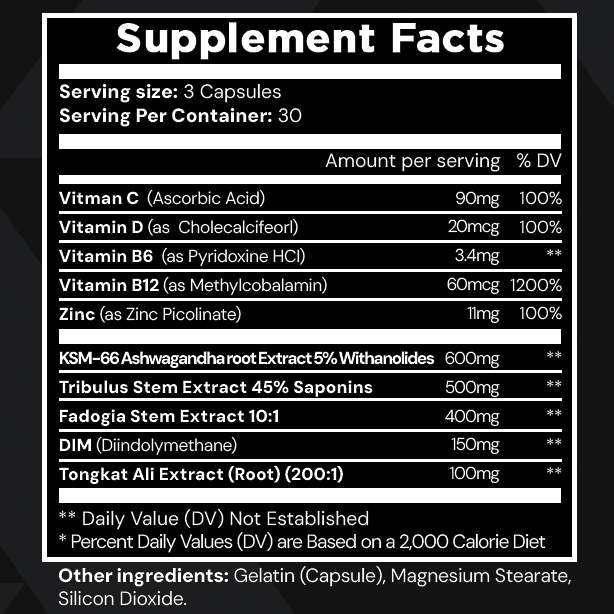
Most people scan a supplement label and go straight to the headline ingredients. Vitamin D. Creatine. Ashwagandha. Whatever the product is known for. That instinct makes sense because those are the compounds expected to do the heavy lifting.
Still, that’s only half the picture.
Here’s the part people tend to skip. The inactive ingredients. They sit lower on the label and don’t sound exciting, so they’re easy to ignore. But they’re part of the formula whether we notice them or not.
Inactive ingredients exist for practical reasons. They keep capsules from sticking together during manufacturing. They help powders flow through machinery.
Don’t Ignore the Capsule Ingredients
Here’s something that rarely gets much attention.
The ingredients that actually hold the supplement together.
Many capsules and tablets include compounds that exist purely for structure. They keep powders from clumping. Help the capsule hold its shape. Prevent ingredients from degrading during production and transport.
Without them, some supplements wouldn’t survive the manufacturing process.
Look closely at the bottom of most labels and you’ll usually find a few familiar names. Cellulose. Rice powder. Silica. Magnesium stearate. They appear often enough that experienced label readers spot them instantly.
Most people never notice them at all.
For the majority of consumers, these ingredients aren’t a concern. But occasionally they matter. Dietary preferences, allergies, lifestyle choices. Those small details sometimes change whether a supplement fits someone’s routine. They show up often.
Most of the time, they’re considered low risk in the small amounts used in supplements. But context matters. People with specific dietary preferences tend to notice them quickly.
Gelatin capsules are a good example. Gelatin comes from animal sources. That catches many people off guard. Others simply prefer plant based capsules.
Situations like this show why it helps to understand ingredient roles.
Independent health organizations also review additives used in supplement manufacturing. Their evaluations often look at safety levels, allergen risks, and long term exposure patterns.
For readers interested in that research, see the National Library of Medicine study: supplement ingredient safety evaluations.
Active ingredients may drive the product’s purpose. But inactive ingredients still shape the overall formulation.
4. Third Party Testing Is a Powerful Signal
Two supplements can list the same ingredients and still differ dramatically in quality.
This tends to surprise people.
The reason is manufacturing consistency. Even when formulas match on paper, purity and potency can vary between brands.
This is where third party testing becomes useful.
Independent laboratories sometimes test supplements to confirm that what’s inside the bottle actually matches the label. They also screen for things that shouldn’t be there. Heavy metals, microbial contamination, that sort of thing.
If a product passes those evaluations, you may see a certification seal somewhere on the packaging.
In clinical settings, these seals often help professionals narrow down reliable options. They’re not perfect guarantees, but they do add an extra level of accountability.
Researchers studying supplement quality control frequently publish summaries of testing protocols and industry standards. A useful overview can be found in the supplement quality testing standards overview.
Think of certification as a supporting signal. Not the only factor, but one worth noticing.
5. Dosage Numbers Matter More Than Marketing
This is where supplement labels can get a little confusing.
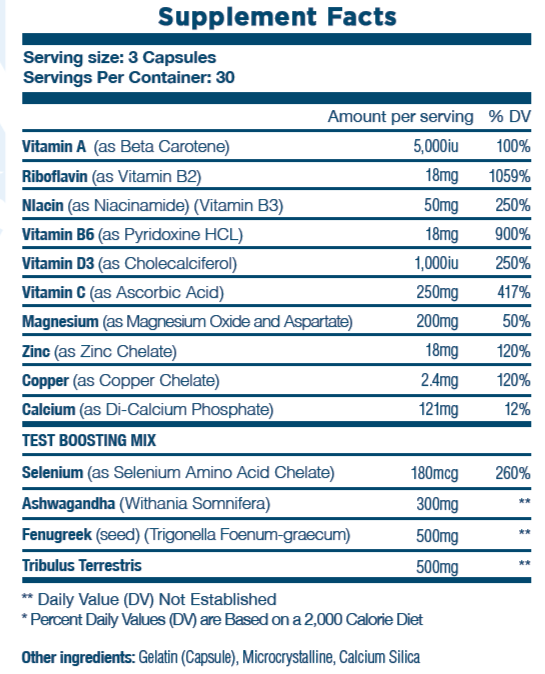
Look closely and you’ll often see daily value percentages far above 100 percent. Some vitamins reach 500 percent or even 2000 percent of the recommended intake.
At first glance, that might seem impressive.
But higher doesn’t always mean better.
Daily values were designed as general nutritional benchmarks for broad populations. They weren’t meant to represent the ideal dose for every individual.
Some nutrients have wide safety margins. Vitamin C and certain B vitamins fall into that category. The body tends to excrete excess amounts.
Others require more caution. Fat soluble vitamins like A, D, E, and K accumulate in body tissues. Extremely high doses over time can create problems.
This is why dosage matters so much.
A supplement with very high percentages might be perfectly appropriate in certain contexts. In others, it might simply be unnecessary.
There’s also extensive research reviewing nutrient intake thresholds and safety ranges. A helpful summary appears in the vitamin and mineral intake research review.
Once you start paying attention to dosage numbers, the marketing claims on the front of the bottle begin to feel less persuasive.
6. Marketing Claims Are Designed to Catch Your Eye
Supplement labels can sound impressive. Sometimes almost theatrical.
Terms like “advanced formula,” “maximum potency,” or “ultimate blend” appear everywhere. They feel persuasive, but technically they don’t mean much.
These phrases aren’t standardized scientific categories. They’re marketing language.
In practice, experienced supplement users develop a habit. They glance at the front label briefly, then immediately turn the bottle around.
The front label sells the idea. The ingredient panel shows the reality.
Sometimes those two things line up nicely. Other times, the difference is hard to ignore.
A supplement might highlight a trendy ingredient in bold lettering across the front of the bottle. Flip the label over and you discover that ingredient appears near the very bottom of the list.
Which usually means the amount included is fairly small.
Once people learn to compare those two sections side by side, a lot of supplement marketing becomes easier to interpret.
Over time, patterns become obvious. Certain buzzwords show up again and again across completely different products.
Once you see them enough, they lose their power.
7. Expiration Dates and Storage Instructions Actually Matter
This last point seems simple. Yet people overlook it constantly.
Supplements don’t last forever.
Every supplement includes one, usually printed somewhere along the edge of the bottle or cap. It represents the period during which the manufacturer expects the product to maintain its labeled potency under normal storage conditions.
After that window passes, things slowly change.
Certain nutrients degrade. Some compounds lose strength. The supplement might still look the same, but the actual potency may not match what’s printed on the label anymore.
People often forget this entirely. Bottles sit in cabinets for years.
A quick glance at that date can tell you whether the supplement is still likely to deliver what it originally promised.
Storage is where things get tricky.
Heat, moisture, and light can all break down nutrients over time. That’s why labels often include the familiar line: store in a cool dry place. Most people glance at it and move on.
Those instructions matter more than they seem.
Think about where supplements often end up. Kitchen counters near warm appliances. Bathroom cabinets where humidity rises after every shower. Those environments aren’t ideal for long-term stability.
Probiotics are a good example. Some formulas are shelf-stable. Others rely on refrigeration to keep the bacterial strains alive. Without the right temperature, the product may still look fine while losing effectiveness.
In real-world supplement consultations, storage mistakes show up fairly often. Bottles left in humid bathrooms. Containers stored near kitchen stoves. Small details, but they can affect product stability.
In the end, a supplement’s effectiveness depends on more than the ingredients printed on the label. Storage habits matter too.
The Summary
Supplement labels look complicated at first. Tiny fonts, long ingredient lists, unfamiliar numbers.
Spend a little time with them, though, and patterns start to appear.
The Supplement Facts panel reveals serving sizes and actual ingredient amounts. Ingredient order hints at how formulas are structured. Dosage percentages give context to nutrient levels. Certification seals offer clues about quality control. Even storage instructions tell part of the story.
That’s ultimately the goal of our guide to reading supplement labels. Not to turn anyone into a chemist, but to help ordinary consumers understand what they’re buying.
Most marketing claims lose their shine once the label gets a careful read. And honestly, that’s a good thing.
Next time you pick up a supplement, pause for a moment. Turn the bottle around. Read the small print.
You’ll probably notice details you never saw before.
Read More: