

Most people don’t want all that noise. They just want to know one thing. What actually helps build muscle?
That’s where the top 5 essential supplements for muscle growth come in. The basics that lifters keep coming back to year after year: whey protein, creatine monohydrate, beta-alanine, branched-chain amino acids, and fish oil.
Spend enough time around serious training environments and you start noticing patterns. Most athletes use the same small group of supplements. They’re affordable. They’re studied. And they actually support the work being done in the gym.
We’ll breakdown: What they do. Why they help. And where people often misunderstand them.
Why these supplements actually matter
Supplements don’t build muscle. Training does. Food does. Sleep definitely does.
But supplements can make those things easier to manage.
Think of them as tools that smooth the edges. They help you recover a little faster. They make hitting nutrition targets less stressful. Sometimes they let you squeeze out one more rep when a set starts getting ugly.
That might sound small. But over months of training, those small advantages add up.
Researchers have studied performance supplements for decades now. Some compounds repeatedly show benefits for muscle protein synthesis, training output, and recovery. For people interested in the science side of things, the
Researchers have studied performance supplements for decades now. For people interested in the science, the ISSN position stand on creatine supplementation is a good starting point.
Here’s another reality most beginners underestimate. Consistency.
Eating perfectly every single day is harder than it sounds. Work schedules get messy. Meals get skipped. Protein intake drops without people realizing it.
Supplements don’t replace food. But they help fill those small gaps that appear during busy weeks.
Anyone trying to build a sustainable muscle-building plan eventually learns that nutrition is half the battle.
Now let’s talk about the supplements that show up again and again in successful training routines.

1. Whey Protein: Still the Starting Point for Muscle Growth
Why whey protein works
Ask around in any serious gym and a pattern shows up quickly. Most lifters started their supplement routine with the same thing. Whey protein.
Not because it’s trendy. Mostly because it’s simple and reliable.
Muscle tissue is built from amino acids. That part is basic physiology. When the body doesn’t get enough of them through food, muscle repair slows down and growth tends to stall. Anyone who has trained consistently for a while eventually runs into that wall.
This is where whey protein becomes useful.
It’s convenient. Quick to digest. And it delivers a full set of essential amino acids that the body uses after training. Nothing revolutionary about it, but it solves a practical problem many lifters run into: hitting their protein targets every single day.
One amino acid usually gets the spotlight in research discussions. Leucine. It acts almost like a signal that tells the body to start building muscle after resistance training.
How much whey protein do you need?
In practice, most lifters aim somewhere around 1.6 to 2.2 grams of protein per kilogram of body weight each day. That number surprises beginners.
Then reality sets in. Busy days. Missed meals. Not enough time to cook.
That’s usually when whey protein earns its place in the routine. Food alone can cover it, sure. But many people struggle to hit those numbers consistently. Workdays get busy. Meals get rushed.
A quick shake after training or between meals solves that problem. Researchers continue to study the connection between protein intake and muscle growth, and this systematic review on protein and hypertrophy provides a helpful overview of the current evidence.
Whey protein isn’t exciting. But it quietly does its job. And that reliability is exactly why it shows up in nearly every muscle-building supplement list.
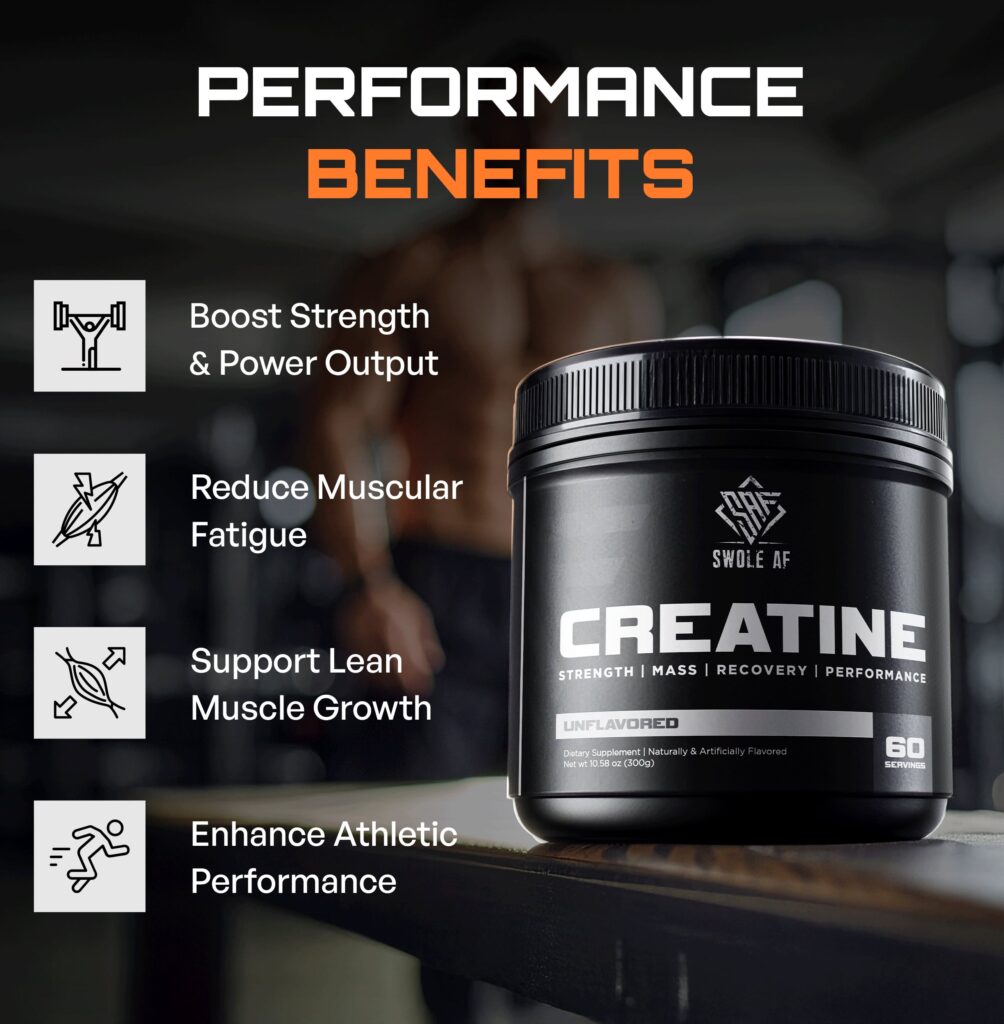
2. Creatine Monohydrate: The Most Dependable Strength Booster
How creatine works
Creatine has been around for decades. That alone says something.
In the supplement world, trends come and go quickly. Creatine never really left.
The reason is simple. It works.
Creatine increases stored phosphocreatine inside muscle cells. That storage helps the body produce ATP faster during short bursts of intense activity. Lifting weights. Sprinting. Explosive movements.
More available energy during sets often translates into slightly better performance. Maybe one more rep. Maybe a little more weight.
Those improvements sound small on paper. But over weeks and months they lead to more training volume. And training volume drives muscle growth.
Creatine is also one of the most researched supplements in sports nutrition. The ISSN position stand on creatine provides a thorough evaluation of its safety and effectiveness.
Creatine dosing and timing
Another thing lifters often notice is improved recovery between sets. Muscles recharge faster, which helps maintain performance during longer sessions.
Daily dosing is simple. Around 3 to 5 grams per day works for most people. No complex timing strategies. No cycling phases. Creatine simply becomes part of the routine.
Ask experienced lifters which supplement actually improved their training numbers. Creatine tends to come up first.
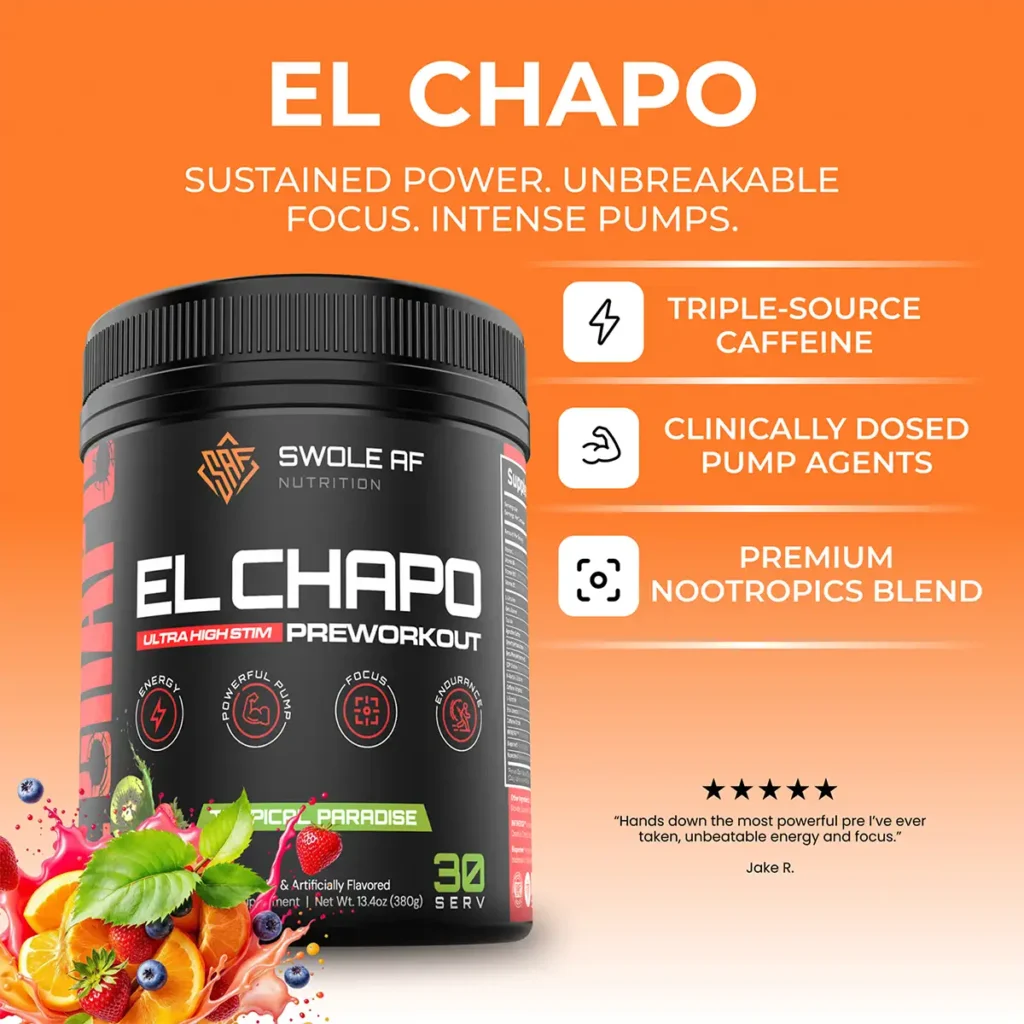
3. Beta-Alanine: Quietly Improving Training Endurance
Why work capacity matters for muscle growth
Strength gets most of the attention in muscle-building conversations. Lift heavier. Grow bigger.
But anyone who has trained long enough realizes something else matters too. Work capacity. How much quality work your muscles can actually handle during a session.
How beta-alanine supports endurance
Beta-alanine helps extend that capacity, at least a little.
Inside muscle cells, beta-alanine raises levels of a compound called carnosine. Carnosine helps buffer the acid buildup that happens during intense exercise.
You’ve probably felt that burn before. The deep one that shows up during the last few reps when your muscles are close to giving up.
Beta-alanine doesn’t erase that feeling. It simply delays it.
Sometimes that delay means squeezing out another repetition. Sometimes it just means holding performance a little longer before fatigue sets in. Over time, those small differences can matter more than people expect.
Most athletes take somewhere between 3 and 6 grams per day. Some notice a tingling sensation on the skin shortly after taking it. It catches people off guard the first time, but it’s harmless.
Still, supplements never replace training structure. The real driver of muscle development remains progressive overload.
Beta-alanine rarely gets the attention creatine does. But it keeps showing up in best supplement lists, usually for good reason.
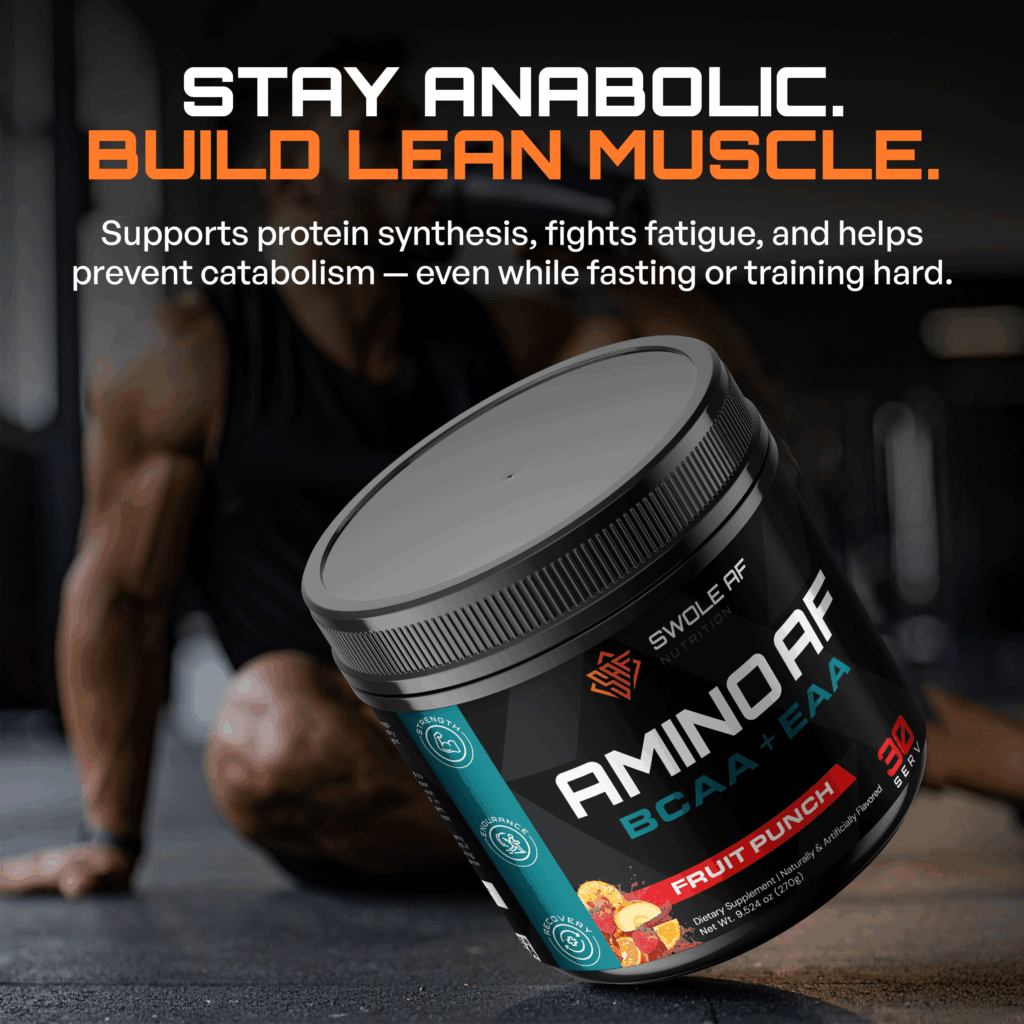
4. Branched-Chain Amino Acids: Useful in Specific Situations
What BCAAs actually do
BCAAs tend to divide opinions.
Some lifters swear by them. Others say they’re unnecessary. Spend enough time reading fitness forums and you’ll see both arguments pop up again and again.
The truth sits somewhere in the middle.
Branched-chain amino acids include leucine, isoleucine, and valine. These three play roles in muscle metabolism and recovery. They’re involved in energy production during exercise and in signaling pathways related to muscle repair.
Do you actually need BCAAs?
Here’s where things get interesting.
People who already consume enough complete protein usually get plenty of these amino acids through food. Chicken, eggs, dairy, fish. They all contain BCAAs naturally.
That’s why some sports nutrition experts question whether separate BCAA supplements are necessary.
Context changes things, though.
Athletes who train very early in the morning sometimes use BCAAs when they prefer not to eat beforehand. The idea is to provide amino acids during fasted training. Endurance athletes occasionally use them during long workouts as well.
Then there’s the practical side. In real-world gyms, plenty of lifters simply enjoy sipping flavored BCAAs during training sessions. It encourages hydration, which most people don’t get enough of anyway.
BCAAs won’t make or break a muscle program. Still, depending on training style, they can play a small supporting role.

5. Fish Oil: Recovery Support People Overlook
Why Omega-3s matter for lifters
Fish oil rarely appears in flashy muscle-building advertisements. That’s probably why people ignore it.
Which is a mistake.
Fish oil provides omega-3 fatty acids, mainly EPA and DHA. These fats play roles in inflammation regulation, cell membrane health, and overall recovery.
Heavy training naturally creates microscopic muscle damage. That’s part of the adaptation process. But excessive inflammation can slow recovery between workouts. Omega-3 fatty acids help manage that response.
Some research also suggests omega-3 intake may enhance muscle protein synthesis when combined with resistance training. It doesn’t build muscle directly. Instead, it improves the environment where muscle repair occurs.
Fish oil dosing and joint health benefits
Joint health is another quiet benefit. Anyone who has trained consistently for years understands how valuable healthy joints become over time.
Most people take between 1 and 3 grams of combined EPA and DHA daily.
It’s not the most exciting supplement on the shelf. Still, fish oil steadily supports recovery behind the scenes. Athletes who care about longevity usually start paying attention to recovery strategies sooner or later.
How to Build a Supplement Stack (Without Wasting Money)
A common mistake beginners make is buying everything at once. Pre-workouts. Mass gainers. Recovery formulas. Fat burners. You name it.
That approach rarely works well.
Most experienced lifters build their supplement routines slowly. One piece at a time.
Typically it starts with protein powder to help meet daily protein targets. Creatine usually follows soon after because of its clear performance benefits. Fish oil often comes next for recovery and joint support. Only after those basics are covered do some athletes experiment with beta-alanine or BCAAs.
Quality also matters more than many people realize. Supplements are not regulated the same way medications are, which means manufacturing standards can vary between brands. Look for products that carry third-party testing certifications like NSF Certified for Sport or Informed Sport to ensure accuracy and purity.
Even then, supplements should never replace a well-structured diet. Whole foods still provide the majority of nutrients the body needs for muscle development. Supplements just help fill the gaps.
Quick-Reference Dosage Guide
The table below summarizes recommended daily dosages, timing, and the primary benefit of each supplement.
| Supplement | Daily Dose | Best Timing | Key Benefit | Need Level |
|---|---|---|---|---|
| Whey Protein | 20-40 g per serving | Post-workout or between meals | Hits protein targets | High |
| Creatine Monohydrate | 3-5 g | Any time daily | Strength and power | High |
| Beta-Alanine | 3-6 g | Split across the day | Training endurance | Moderate |
| BCAAs | 5-10 g | During fasted training | Amino acid support | Situational |
| Fish Oil (EPA/DHA) | 1-3 g combined | With meals | Recovery and joints | High |
Frequently Asked Questions
Do I need supplements to build muscle?
No. Muscle growth comes from consistent resistance training, adequate protein intake, and proper recovery. Supplements can support that process, but they’re not required. Many lifters build impressive physiques on food alone.
What’s the best supplement for beginners?
Whey protein is the most practical starting point for most beginners. It helps bridge the gap between how much protein you need and how much you actually eat. Creatine monohydrate is the logical second addition.
Are BCAAs worth it if I already eat enough protein?
For most people, probably not. If you’re consuming enough complete protein from meals and whey, you’re already getting plenty of branched-chain amino acids. BCAAs become more useful for fasted training or during very long endurance sessions.
Is creatine safe to take every day?
Creatine monohydrate is one of the most studied supplements in sports nutrition. Research consistently supports its safety for healthy adults at doses of 3 to 5 grams per day. As with any supplement, consult a healthcare provider if you have pre-existing kidney or liver conditions.
What supplements should I avoid?
Be cautious with proprietary blends that don’t disclose ingredient amounts, testosterone boosters with unproven claims, and any product that promises dramatic results in a short time. Stick with well-researched, single-ingredient supplements and look for third-party testing labels.
The Bottom Line
Muscle growth isn’t complicated, but it does demand patience. Training consistently. Eating enough protein. Recovering properly. Those habits matter far more than any product on a shelf.
Still, the right supplements can support that process when used wisely. Whey protein helps lifters reach protein targets. Creatine improves strength and training output. Beta-alanine supports harder workouts. BCAAs have niche uses for certain athletes. Fish oil assists with recovery and joint health.
None of these supplements work on their own. They simply support the habits that already build muscle.
Use supplements as tools, not shortcuts. Stick to consistent training. Eat well most days. Recover properly.
Do that long enough and progress tends to show up, slowly but unmistakably.
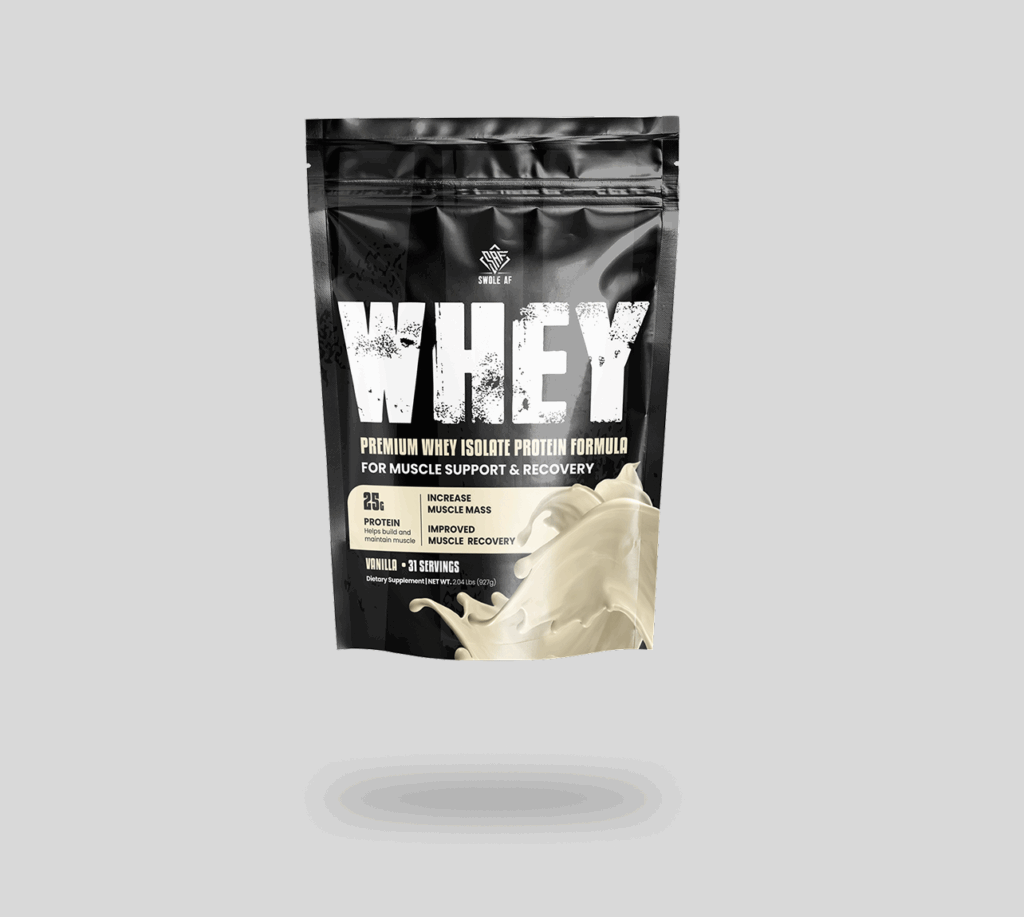
Building a stack doesn’t have to be complicated. Swole AF makes supplements across every category in this guide, from muscle building to recovery to endurance. Want to see how these products work together? Check out 7 Practical Ways to Stack Supplements for a walkthrough.
Browse the Full Swole AF Lineup
Disclaimer: This article is for informational purposes only and does not constitute medical advice. Consult a qualified healthcare provider before starting any new supplement regimen, especially if you have pre-existing health conditions or are taking medication.