Whey Protein Isolate vs Concentrate: The Complete Guide to Choosing Your Perfect Muscle-Building Fuel
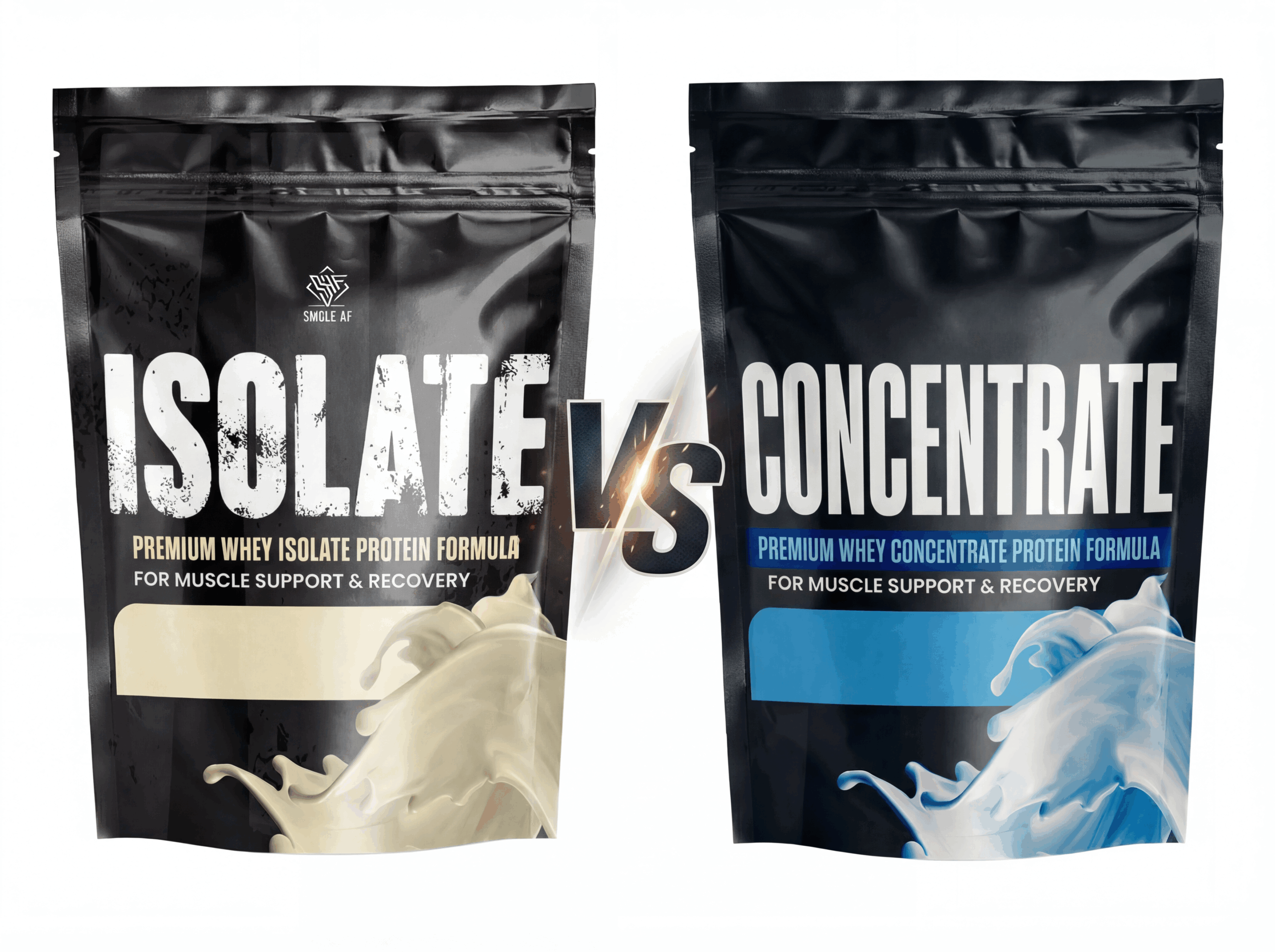
You’re standing in the supplement aisle, staring at two nearly identical tubs of whey protein. One says “isolate,” the other says “concentrate.” They’re both whey, they both promise gains, but one costs $20 more. What’s the actual difference? And more importantly—which one’s going to help you build muscle faster?
Here’s the thing: most gym-goers waste money on the wrong protein powder because they don’t understand what they’re actually buying. Whey protein isolate and concentrate aren’t just marketing terms—they’re fundamentally different products with distinct benefits, processing methods, and ideal use cases. Whether you’re trying to pack on lean mass, cut body fat, or just recover faster between workouts, choosing the right type matters. Let’s break down everything you need to know about these two protein powerhouses so you can make the smartest choice for your goals.
What Exactly Is Whey Protein Isolate?
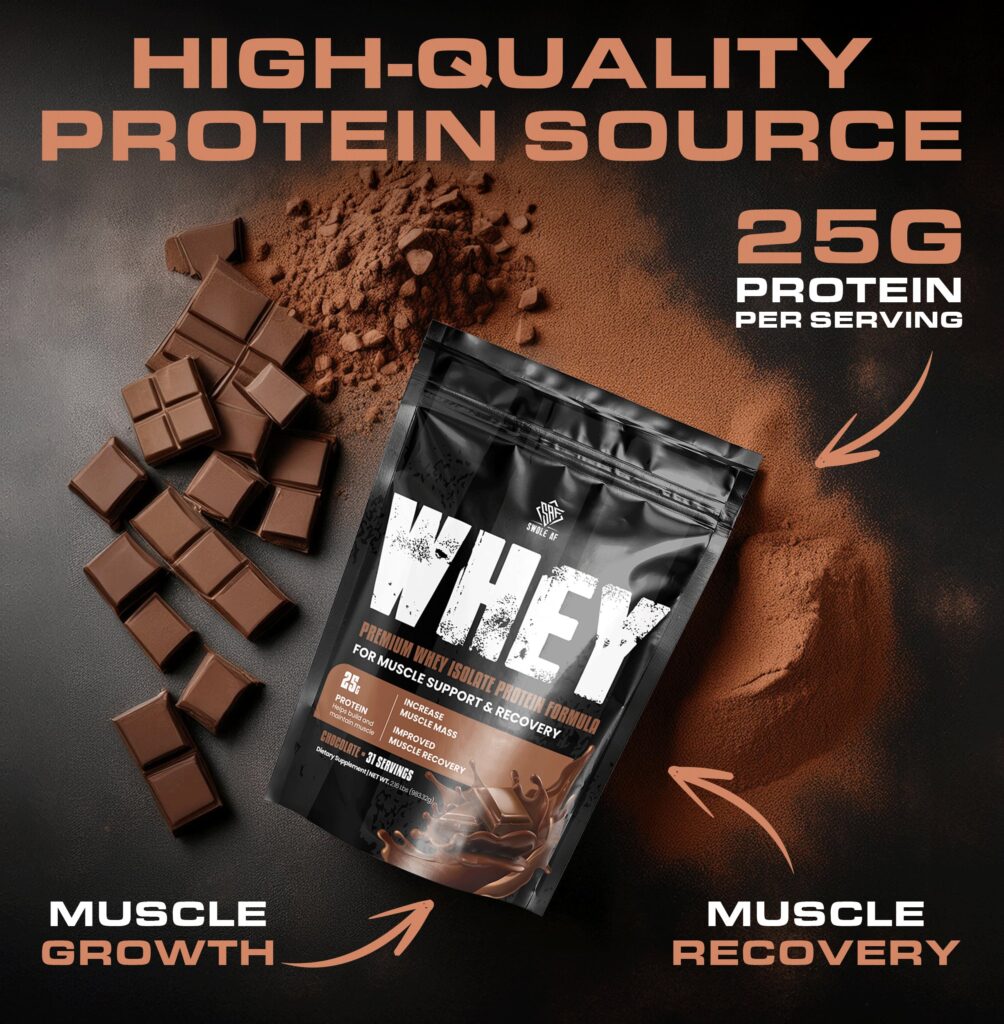
Let’s cut through the science jargon. Whey protein isolate is the most refined form of whey you can buy. During manufacturing, milk gets separated into curds (which become cheese) and liquid whey. That liquid then goes through additional filtering processes—either microfiltration or ion exchange—that strip away most of the lactose, fat, and carbs.
The end result? A powder that’s typically 90-95% pure protein by weight. We’re talking about one of the cleanest protein sources available. A standard scoop of whey protein isolate delivers around 25-30 grams of protein with less than 1 gram of fat and minimal carbs.
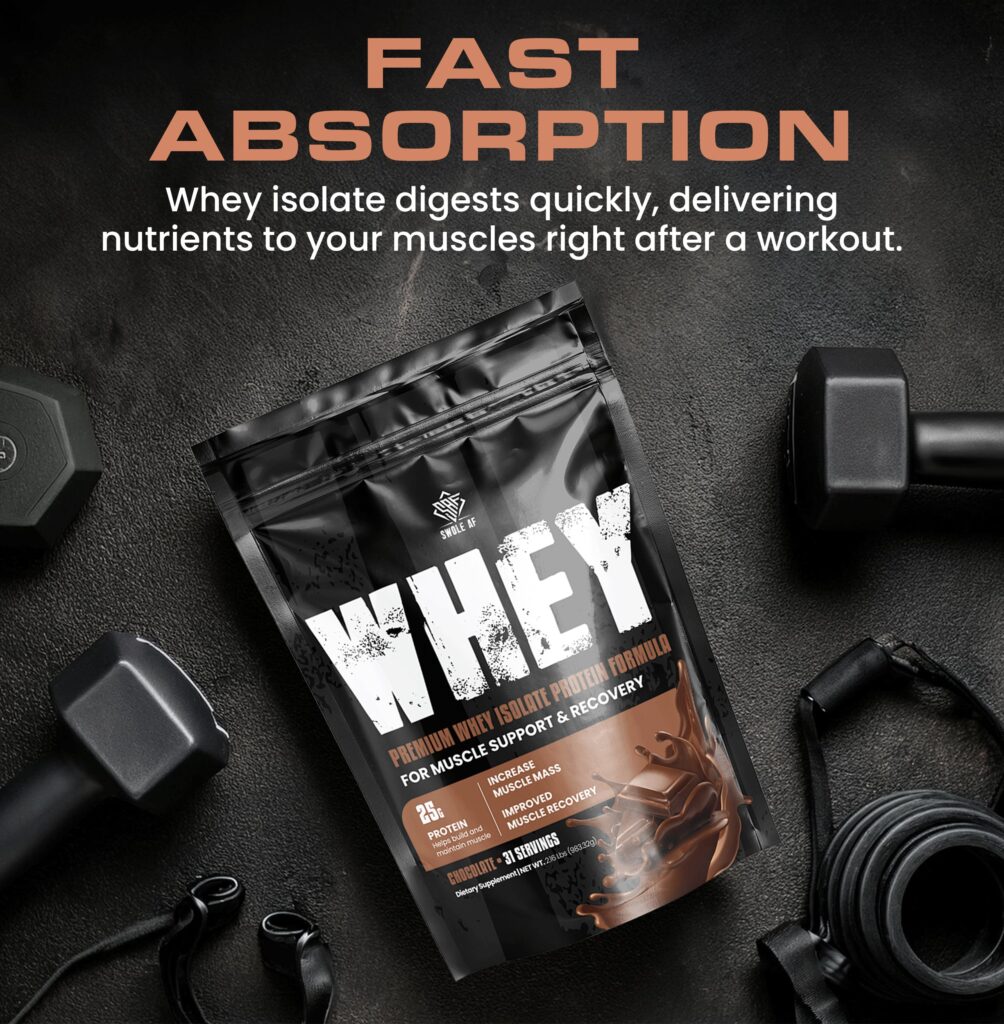
What makes whey protein isolate special isn’t just purity—it’s the clean macro profile. Because there’s less lactose, fat, and carbs to process, your body can digest it efficiently. Your muscles get a rapid supply of amino acids within 30-60 minutes post-workout. That’s solid timing when your body needs nutrients after crushing a heavy leg session.
Understanding Whey Protein Concentrate: The Value Option
Whey protein concentrate goes through less processing than isolate, which means it retains more of the original components from milk. You’re looking at 70-80% protein content by weight, with the remaining 20-30% being a mix of lactose, fat, and other milk components.
Don’t mistake “less refined” for “inferior” though. Concentrate still delivers high-quality protein with a complete amino acid profile. You’re getting the same muscle-building leucine, isoleucine, and valine—just with some extra calories tagging along. A typical scoop contains 20-25 grams of protein, 3-5 grams of carbs, and 1-3 grams of fat.
The biggest advantage of concentrate? Your wallet will thank you. It’s usually 30-40% cheaper than isolate because the manufacturing process is simpler. For most lifters who don’t have specific dietary restrictions, concentrate gets the job done without breaking the bank.
Here’s what you need to know: both concentrate and isolate are fast-digesting proteins. According to American Journal of Physiology research on protein digestion rates, whey proteins are absorbed at roughly 8-10 grams per hour, making both forms excellent for post-workout recovery. The difference in digestion speed between concentrate and isolate is minimal—maybe 10-15% slower for concentrate due to the extra fat and lactose, but we’re talking minutes, not hours.
The Protein Content Showdown: Numbers That Actually Matter
Let’s talk percentages because this is where the rubber meets the road. If you buy a 5-pound tub of whey protein isolate, you’re getting approximately 4.5-4.75 pounds of actual protein. That same 5-pound tub of concentrate? Maybe 3.5-4 pounds of protein, with the rest being carbs, fats, and lactose.
But here’s where it gets interesting—when you calculate cost per gram of protein, the gap isn’t always as big as you’d think. Yeah, isolate costs more upfront, but you’re getting more protein per scoop. Sometimes the price difference per actual gram of protein is only 10-15%.
Do the math on your specific brands. Take the total grams of protein in the container, divide by the price, and compare. You might be surprised.
For building muscle, both forms deliver enough high-quality amino acids to trigger muscle protein synthesis. The real question isn’t “which has more protein?”—it’s “which fits your goals better?” If you’re on a strict cut trying to minimize every carb and calorie, isolate’s cleaner profile makes hitting your numbers easier. Bulking and need those extra calories? Concentrate’s additional carbs and fats might actually help you reach your surplus.
Lactose Intolerance: Why Isolate Might Save Your Gains (and Your Gut)
Nothing kills a workout faster than gut issues. If you’ve ever chugged a protein shake and spent the next hour dealing with bloating, gas, or worse, you might have some degree of lactose intolerance.
This is where whey protein isolate may be a game-changer. The extra filtration removes 95-99% of the lactose content. For most people with lactose sensitivity, isolate sits easy with zero digestive drama. You can slam your post-workout shake and get on with your day instead of dealing with stomach issues.
Concentrate, on the other hand, still contains 4-8% lactose—about 3-5 grams per serving. According to the National Institutes of Health, most people with lactose intolerance can tolerate up to 12 grams of lactose per serving without symptoms. This means concentrate’s 3-5 grams typically falls within tolerance limits for many people. However, individual tolerance varies significantly.
Here’s a pro tip: if you’re not sure whether you’re lactose intolerant, pay attention to how you feel after drinking milk or eating ice cream. Bloating, gas, or stomach cramps within 30 minutes to 2 hours is a strong sign of lactose sensitivity. If that sounds familiar, try switching to whey protein isolate first. If isolate still bothers you, you might actually have a milk protein allergy (not lactose intolerance), which means plant-based protein is your better bet.
Absorption Speed and Muscle Recovery: What Science Actually Shows
The fitness industry loves to obsess over absorption rates. You’ll hear gym bros swear that whey protein isolate builds more muscle because it hits your bloodstream faster. But what does science actually say?
Both isolate and concentrate digest quickly—that’s not up for debate. With less lactose and fat to process, isolate might hit your bloodstream 10-15 minutes faster than concentrate. But here’s the reality: both are considered fast-digesting proteins, absorbed at roughly 8-10 grams per hour.
Post-workout, getting protein into your system matters. There’s a window after training when your muscles are primed for nutrient uptake. However, according to a comprehensive meta-analysis published in the Journal of the International Society of Sports Nutrition, the so-called “anabolic window” is much wider than people think—several hours, not 30 minutes.
But here’s what the science actually shows: the difference in muscle growth between isolate and concentrate is minimal for most people. As long as you’re hitting your total daily protein target (around 0.8-1 gram per pound of body weight), the exact timing and slight difference in absorption speed matter less than you’d think. The same research confirms that total daily protein intake is the primary factor in facilitating muscle growth, not the specific timing or type of protein.
Best Practices and Dosage: How Much and When to Take Each Type
Let’s get practical. How should you actually use these proteins to maximize muscle growth?
For whey protein isolate, the sweet spot is 25-30 grams per serving. According to research published in the Journal of the International Society of Sports Nutrition, consuming approximately 0.4 grams of protein per kilogram of body weight per meal—spread across at least four meals—maximizes muscle protein synthesis. That’s enough to fully saturate muscle protein synthesis without wasting protein through oxidation.
Some lifters also use isolate first thing in the morning. After 8 hours of fasting, your body’s in a catabolic state. A quick shake stops muscle breakdown and kickstarts protein synthesis while you make breakfast.
Concentrate works great throughout the day. Mid-morning snack? Afternoon shake to hold you over until dinner? Before bed? Concentrate handles all of it. According to research published in Sports Medicine, both fast-digesting whey and slow-digesting casein work equally well when consumed before sleep, with both maintaining amino acid availability throughout the 7-8 hour sleep period. So don’t stress about needing “slow protein” at night—concentrate works just fine.
Dosage-wise, you’re looking at the same 25-30 gram range for both types. Don’t go crazy trying to chug 50+ grams in one shake—your body can only use so much protein at once. Space your shakes 3-4 hours apart for optimal absorption.
Here’s a sample daily protocol for a 180-pound lifter aiming for 180 grams of protein:
- 7 AM: 30g whey protein isolate + breakfast (35g protein from food)
- 10 AM: Snack (20g protein from food)
- 1 PM: Lunch (40g protein from food)
- 4 PM: Pre-workout snack (15g protein from food)
- 6 PM: Post-workout 30g whey protein isolate
- 8 PM: Dinner (40g protein from food)
- 10 PM: 25g whey protein before bed
That’s 235 grams total, leaving room to adjust based on appetite and results.
Mixing, Taste, and Mixability: The Underrated Factors
Nobody talks about this enough, but if your protein tastes like chalk or clumps up in your shaker, you’re not going to drink it consistently. And consistency is everything for results.
Whey protein isolate generally mixes smoother because there’s less fat content. Fat can make shakes feel greasy or heavy. Isolate creates a lighter, cleaner consistency that most people prefer. It also tends to have less of that distinctive “whey” taste—you know, that slightly milky, protein-y flavor that some people love and others hate.
Concentrate has more milk solids, which gives it a creamier texture. Some lifters actually prefer this—it feels more substantial, almost like a real milkshake. The trade-off is occasional foaming or slight clumping if you don’t shake it hard enough.
Flavor options are pretty similar for both types these days. You’ll find chocolate, vanilla, strawberry, cookies and cream—the usual suspects. But here’s a tip: isolate typically tastes better in fruit flavors because there’s less dairy taste to clash with the fruit. Concentrate often tastes better in dessert flavors because the extra milk components enhance the creaminess.
For mixing, cold water works with both, but isolate handles it better. Concentrate might need milk or a plant-based milk alternative to fully dissolve and taste good. Some gym-goers use blenders for concentrate to ensure smooth consistency.
Temperature matters too. Both types mix better with cold liquids. If you’re mixing with room temperature water, expect some texture issues regardless of which type you choose.
The Cost Analysis: When to Splurge on Isolate vs Save with Concentrate
Let’s be real—supplements are an investment. You’re probably spending $30-80 per month on protein powder, so making the right choice matters for your budget.
Whey protein isolate typically runs $40-70 for a 2-pound tub, or $50-90 for 5 pounds. That’s roughly $1.50-2.50 per serving depending on the brand. Concentrate costs $25-50 for 2 pounds, or $35-65 for 5 pounds—about $0.80-1.50 per serving.
Over a month (assuming one shake daily), you’re looking at $45-75 for isolate versus $24-45 for concentrate. That’s $21-30 extra per month for isolate, or $250-360 per year. Not pocket change for most people.
So when’s isolate worth the premium? Three situations:
First, if you’re lactose intolerant or sensitive. The digestive comfort is worth every penny. You can’t build muscle if you can’t consistently drink your protein.
Second, if you’re on a strict cut. When you’re in a caloric deficit trying to get shredded, every calorie counts. Isolate lets you hit your protein target without wasting calories on extra carbs and fats.
Third, if you’re prepping for a competition or photo shoot. That last 2-3% body fat requires precision, and isolate’s purity helps you stay on track.
For everyone else? Concentrate makes more sense. If you’re bulking, don’t care about an extra 20-40 calories per shake, and digest dairy fine, save your money. Put that extra $250-360 per year toward a gym membership upgrade, new training shoes, or more food.
The Real Benefits of Concentrate Over Isolate
Let’s clear something up: concentrate isn’t just “cheap isolate.” It has genuine advantages:
Cost savings is the biggest one—30-40% cheaper means more money for actual food or other supplements.
Better taste and texture—the 1-3 grams of fat create a creamier, more enjoyable shake. If you’re drinking protein daily, this matters.
More bioactive compounds—concentrate retains beneficial milk components like immunoglobulins, lactoferrin, and growth factors that get filtered out of isolate. Whether these provide significant health benefits is debated, but they’re there.
Extra calories for bulking—if you’re struggling to hit your calorie surplus, concentrate’s additional 20-40 calories per serving can help. Over three shakes daily, that’s an extra 60-120 calories.
Complete macro profile—some people prefer getting a mix of protein, carbs, and fats rather than isolated protein. It’s more similar to actual food.
What concentrate doesn’t offer: “sustained amino acid release” or significantly “slower digestion.” Both isolate and concentrate are fast proteins. If you want true sustained release, you need casein, not concentrate.
Conclusion: Making Your Choice for Maximum Gains
So which protein should you buy? Here’s the bottom line: whey protein isolate wins if you’re lactose intolerant, cutting calories, or need the cleanest possible macro profile. It’s the premium option for good reason—90-95% pure protein, minimal lactose, and easy digestion.
But concentrate isn’t a compromise—it’s a smart choice for most lifters. You’re getting the same high-quality protein and muscle-building benefits at a significantly better price point. The extra fat and carbs are minimal (we’re talking 20-40 extra calories), and for most people, that’s irrelevant when bulking or maintaining.
Choose isolate if you’re cutting hard, can’t handle lactose, or track macros religiously. Go with concentrate if you’re bulking, digest dairy fine, and prefer saving $250-360 annually for other fitness investments.
Honestly? For 80% of gym-goers, concentrate is the smarter choice. You can’t go wrong with either as long as you’re consistent with your training, nutrition, and total daily protein intake. Your muscles don’t care about the label—they care about getting enough amino acids to grow. Pick the one that fits your budget, digestive system, and goals, drink it daily, and focus on crushing your workouts. That’s what actually builds muscle.