
You finish a workout and the signs are obvious. Sweat everywhere. Arms a little shaky. Legs that feel heavier than they did an hour ago. Training is done. Now comes the part people quietly overlook: post-workout nutrition and supplements.
A surprising number of people just guess here. Some grab a protein shake because someone at the gym told them to. Others skip food completely and assume dinner will handle it later. In reality, that window often stretches to two or three hours.
Exercise stresses the body in ways that aren’t immediately visible. Muscle fibers sustain tiny amounts of damage. Glycogen drops. Hormones shift. None of this is a problem. In fact, it’s how the body adapts and gets stronger.
But recovery nutrition is what allows that rebuilding to happen. Without it, progress slows in ways people don’t always connect to food.
Here’s the reassuring part. Good recovery rarely requires complicated supplement stacks or expensive powders. Timing matters. Nutrient balance matters. A few smart supplement choices can help. Once those pieces click, post-workout recovery stops feeling complicated.
1. Timing Matters More Than Most People Think
How long is the post-workout recovery window?
Right after training, your body enters a slightly different metabolic state. Nutrient absorption becomes more efficient. Muscles are primed to pull in amino acids and carbohydrates. Coaches often call this the recovery window.
Years ago people believed this window lasted only thirty minutes. Current research tells a calmer story. For most people, the window likely stays open for one to two hours after training.
Still, waiting too long rarely works in your favor.
What happens when you skip post-workout nutrition
Skip that window and recovery often drags. People usually realize something went wrong the next day. The soreness lingers. Muscles feel heavier than they should. Not necessarily injured, just slower to bounce back.
Researchers studying exercise metabolism have repeatedly observed stronger muscle repair and faster glycogen restoration when athletes consume protein along with carbohydrates after training. The ISSN position stand on nutrient timing covers the current evidence in detail.
The takeaway is simple: provide fuel during that post-training period and things tend to move along more smoothly.
2. The 3 Key Post-Workout Nutrients: Protein, Carbs, and Fluids
Protein for muscle repair
Resistance workouts create microscopic tears in muscle tissue. Amino acids from dietary protein rebuild those fibers during recovery. This process, known as muscle protein synthesis, is the biological engine behind muscle repair and growth.
For readers interested in the biology, this overview of muscle protein synthesis and resistance exercise provides a thorough look at the current evidence.
Carbohydrates for glycogen replenishment
Muscles rely heavily on glycogen during exercise. Intense training burns through those stores faster than many people realize. Without replacing glycogen, the next workout often feels harder than it should. Carbohydrates restore those energy reserves.
Fluids and electrolytes for rehydration
Sweat removes water along with key electrolytes like sodium, potassium, and magnesium. Those losses affect muscle function, circulation, and even cognitive performance. Rehydrating after training helps restore that balance. For people who train in hot environments or sweat heavily, an electrolyte supplement can be more effective than water alone.
What about fats?
Some people worry that eating fat after a workout slows digestion and delays nutrient absorption. In practice, moderate amounts of healthy fat in a post-workout meal haven’t been shown to significantly impair recovery. A balanced meal that includes some fat is fine. Just prioritize protein and carbohydrates first.
Interestingly, the best recovery meals tend to look very simple. Grilled chicken with rice. Eggs and toast with fruit. Greek yogurt with granola and berries. These kinds of meals quietly cover everything the body needs.
Strip everything down and the idea stays simple. Protein rebuilds. Carbohydrates refuel. Fluids restore balance.
3. Protein Supplements Are Useful, but Not Mandatory
When protein shakes actually help
One belief refuses to disappear in fitness culture: that protein powder is required for muscle growth.
It isn’t.
Whole foods provide plenty of protein for recovery if they appear regularly in the diet. Chicken, eggs, fish, tofu, beans, yogurt, lean meat. All perfectly capable of supporting muscle repair.
So why are protein powders everywhere? Convenience. Picture finishing a workout before work or class. Cooking a full meal isn’t always practical. A protein shake takes seconds.
Whey vs. plant-based protein for recovery
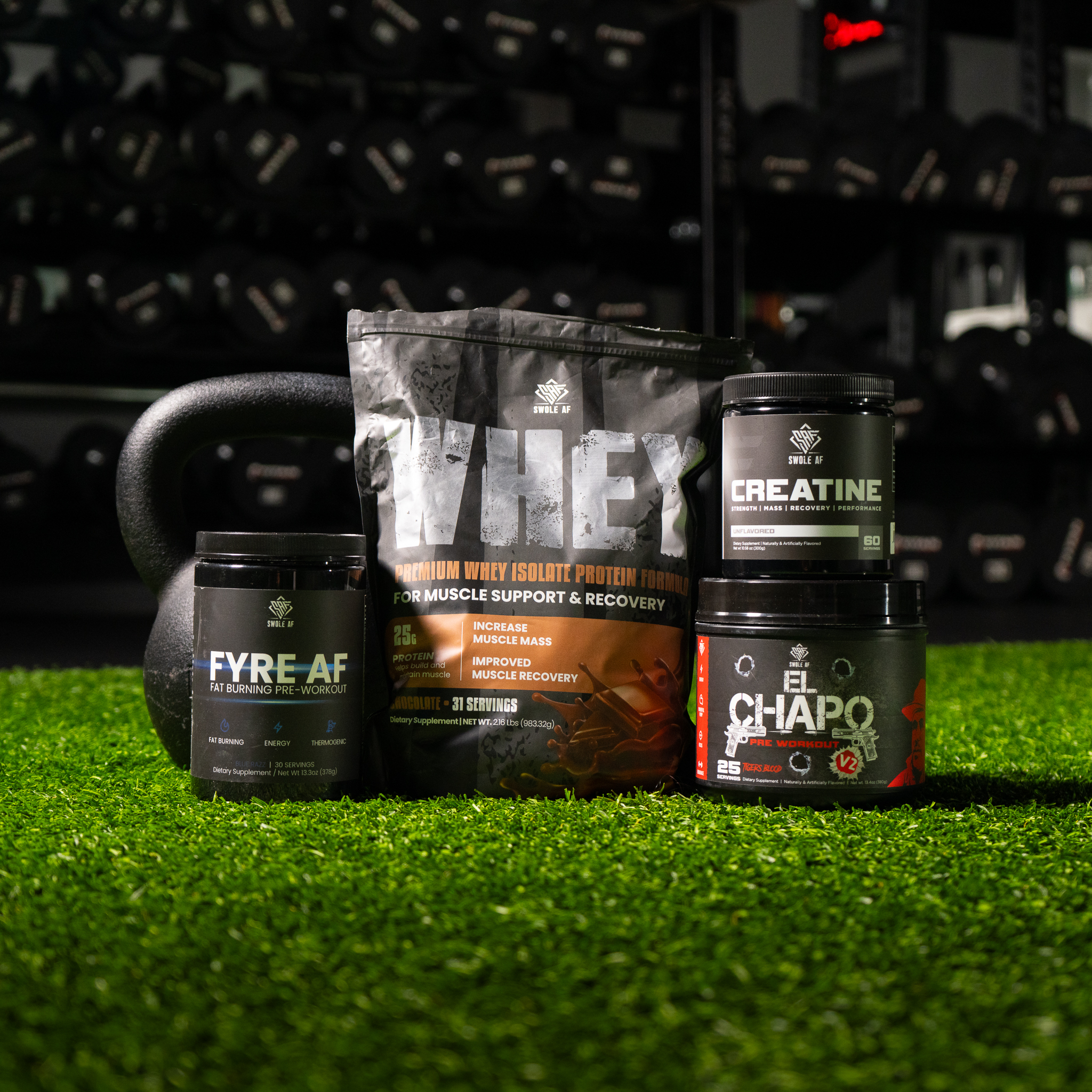
Whey protein still shows up everywhere in gyms, and there’s a reason for that. It digests quickly and delivers a full set of essential amino acids. That combination makes it useful right after training, when muscles are actively repairing themselves. Swole AF Whey Isolate Protein delivers 25g of protein per serving without unnecessary fillers.
Plant-based protein powders have improved significantly over the past decade. Earlier versions struggled with chalky textures and incomplete amino acid profiles. Many current blends combine pea, rice, or other plant proteins to create something much closer to a complete source.
Why third-party testing matters
Quality varies a lot. The supplement industry doesn’t operate under the same strict oversight as pharmaceuticals, which means some products on the shelf haven’t been thoroughly tested. That gap is exactly why independent testing matters.
Brands that undergo third-party testing and certification verify ingredient quality and label accuracy through independent labs. Look for labels like NSF Certified for Sport or Informed Sport.
How much protein after training?
Most research points toward roughly 20 to 40 grams for effective post-workout recovery. Beyond that amount, the body simply can’t use unlimited protein at once. More shakes won’t magically accelerate muscle growth.
4. Carbohydrates Quietly Drive Recovery
Why glycogen matters for your next workout
Carbohydrates get blamed for a lot of things these days. Some diets treat them like a problem to eliminate.
That logic tends to fall apart once regular training enters the picture.
During exercise, especially intense sessions, muscles rely heavily on glycogen stored inside the muscle itself. That fuel disappears faster than many people expect. Long workouts or heavy training sessions can drain a large portion of it.
When glycogen stays low, the next workout often feels off. Energy drops sooner. Strength fades earlier. Carbohydrates restore those energy reserves.
Endurance vs. strength athletes
Endurance athletes usually notice the difference first. Runners, cyclists, swimmers. Long sessions burn through glycogen quickly, and recovery becomes difficult without replacing it.
Strength athletes benefit as well. Low glycogen levels often reduce training volume, which eventually affects progress.
The exact amount someone needs varies widely. Training frequency plays a big role. Someone exercising five days a week usually requires more carbohydrates than someone who only works out occasionally.
Best post-workout carb sources
Recovery carbohydrates aren’t exotic foods or specialty products. They’re normal meals. Rice. Potatoes. Oats. Fruit. Whole-grain bread. Pasta. Foods that already exist in most kitchens.
Some people combine carbohydrates with protein immediately after training. That pairing seems to help with glycogen restoration and muscle repair. Not complicated. Just practical.
5. Creatine and a Few Recovery Supplements That Actually Matter
Why creatine stands out
Creatine stands out in the supplement world. Not because of marketing. Because the research behind it is unusually consistent.
Its role is fairly specific. Creatine helps the body produce ATP, the molecule responsible for short bursts of high-intensity energy. Sprinting. Heavy lifting. Explosive movements. Those rely heavily on ATP availability.
Typical intake sits around 3 to 5 grams per day. Some people still use loading phases, though they’re not really necessary.
Creatine may also help with recovery. Increased cellular hydration and faster ATP replenishment appear to support muscle function between workouts.
What about BCAAs and electrolytes?
BCAAs are heavily marketed in fitness circles. But when someone already eats enough protein throughout the day, additional BCAA supplementation rarely adds much.
Electrolyte supplements make more sense in certain situations: long workouts, hot climates, or heavy sweating. Under those conditions, losses of sodium, potassium, and magnesium can become noticeable and affect performance. For shorter sessions in moderate temperatures, water is usually enough.
Recovery is more than supplements
Sleep quality plays a role. Mobility work helps. Active recovery sessions, even light ones, can improve circulation and reduce stiffness. Many athletes combine nutrition with these habits as part of their overall recovery routine.
Supplements can support the process, but they shouldn’t replace the basics. For a closer look at how to combine different products effectively, this guide to stacking supplements walks through a practical approach.
6. Simple Post-Workout Meals That Actually Work
Quick post-workout meal ideas
Recovery meals sometimes get overcomplicated. In reality, the best ones are often the simplest.
| Meal | Protein | Carbs | Best For |
|---|---|---|---|
| Protein shake + banana + oats | 25-40g | 40-60g | Quick post-gym |
| Scrambled eggs + whole-grain toast + fruit | 20-30g | 30-40g | Morning training |
| Greek yogurt + granola + berries | 15-25g | 30-45g | Light sessions |
| Grilled chicken + rice + vegetables | 30-40g | 45-60g | Heavy training days |
| Salmon + potatoes + greens | 30-35g | 40-50g | Evening workouts |
| Turkey wrap + avocado + fruit | 25-30g | 35-45g | On the go |
Adjusting meals to your goals
Consistency matters more than perfection. Many people train regularly but forget to refuel afterward. Over time that pattern quietly slows progress.
Meals can adjust depending on goals. Someone trying to gain muscle may increase calories slightly. Someone focused on fat loss might emphasize lean protein while keeping carbohydrates moderate.
Sometimes the most useful strategy is simply paying attention. Energy levels, soreness, workout performance. Patterns show up faster than people expect.
Frequently Asked Questions
How soon should I eat after a workout?
Current research suggests the recovery window stays open for roughly one to two hours after training. You don’t need to sprint to the kitchen the moment your last set ends, but consistently waiting three or more hours may slow recovery over time.
Is a protein shake enough after a workout?
A protein shake covers the amino acid side of recovery, but it misses carbohydrates and often electrolytes. For a more complete recovery, pair a shake with a carb source like a banana, oats, or rice. Or simply eat a balanced meal.
Do I need carbs after lifting weights?
Yes, especially if you train frequently. Resistance training depletes glycogen, and replacing it with carbohydrates helps maintain energy for future sessions. The amount depends on training volume and intensity, but skipping carbs post-workout consistently can reduce performance over time.
Are post-workout supplements necessary?
Not strictly necessary. Whole foods can cover most recovery needs. Supplements like whey protein and creatine are best understood as convenience tools that help fill gaps when meals aren’t practical. They support recovery but don’t replace it.
What should I drink after a workout?
Water handles most situations. For longer sessions, hot conditions, or heavy sweating, an electrolyte drink can help replace sodium, potassium, and magnesium lost through sweat. Chocolate milk has also shown positive results in research as a post-workout recovery drink due to its combination of protein, carbohydrates, and electrolytes.
How much protein do I need after training?
Most research supports 20 to 40 grams of protein for effective post-workout recovery. The exact amount depends on body size, training intensity, and total daily protein intake. For most lifters aiming for 1.6 to 2.2 grams per kilogram of body weight per day, a post-workout serving of 25 to 40 grams is a solid target.
The Bottom Line
Recovery rarely receives the same attention as the workout itself. Yet this is where most adaptation actually happens. Training stresses the body. Repair happens afterward. That’s exactly why post-workout nutrition and supplements deserve real attention.
The approach doesn’t need to be complicated. A combination of protein, carbohydrates, and hydration handles most recovery needs. Supplements like creatine may offer additional support when used consistently.
What matters most is routine. Eat after training. Hydrate. Support the body with nutrients that match the demands of exercise.
Over time those habits compound in quiet ways. Workouts feel stronger. Fatigue becomes easier to manage. Progress becomes more predictable.
The workout may last an hour. Recovery continues long after leaving the gym. Treat it like part of the process, because it always has been.
Let me be blunt.
You don’t have a knowledge problem. You just read exactly what your body needs after training. Protein. Carbs. Hydration. Maybe creatine. That’s it.
You have an execution problem. And that’s fine, because execution problems are the easiest ones to solve. You just remove the friction.
That’s all a good protein powder does. It removes the friction between knowing you need 25-40g of protein after training and actually getting it there.
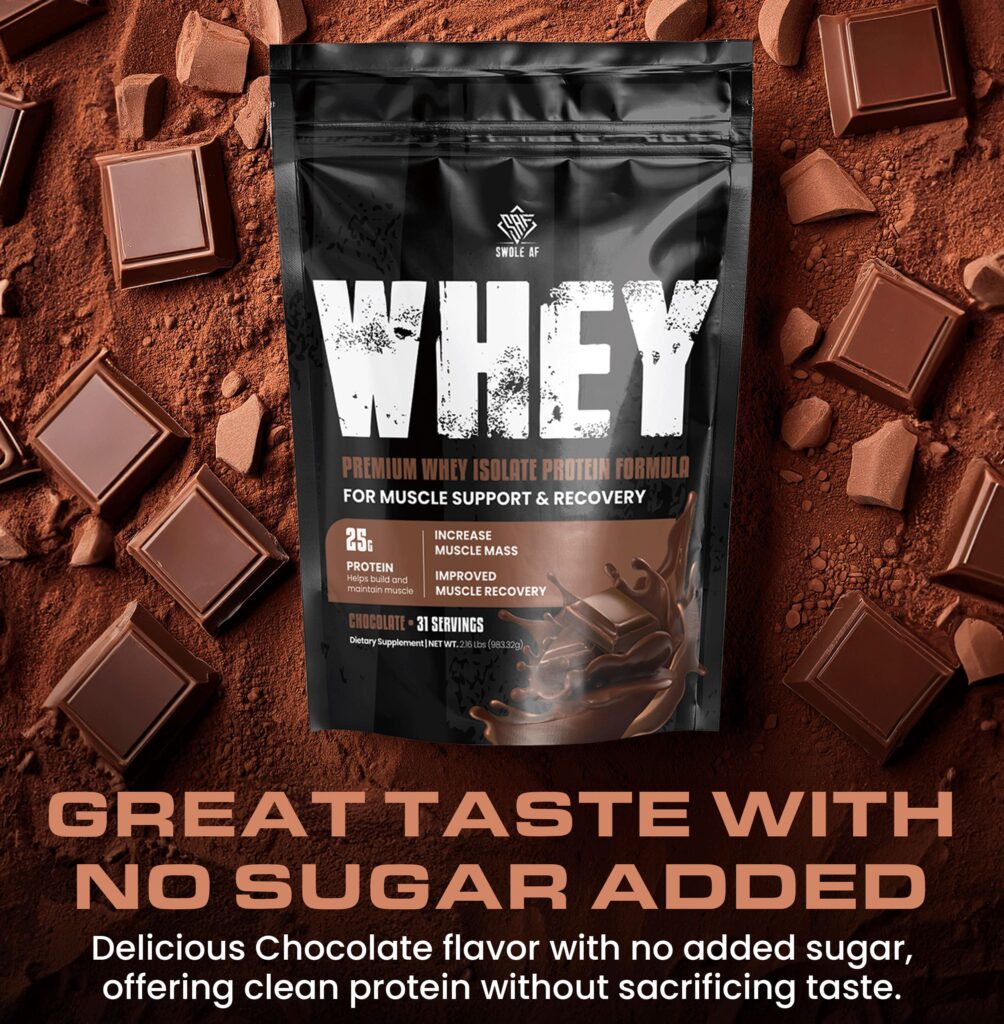
Swole AF Whey Isolate is 25g of protein per scoop. Zero fat. Two grams of carbs. 120 calories. Mix it with water in 10 seconds and you’re done. Recovery handled.
It’s $28 right now. That’s half the normal price. Less than what most people spend on a single lunch they’ll forget about by dinner.
Every day you train without proper recovery nutrition, you’re leaving progress on the table. Not a lot. But enough that it compounds into months of slower results.
Stop thinking about it. Start recovering from your workouts.
Get Swole AF Whey Isolate ($28) | Browse All Recovery Supplements
Disclaimer: This article is for informational purposes only and does not constitute medical advice. Consult a qualified healthcare provider before starting any new supplement regimen, especially if you have pre-existing health conditions or are taking medication.