
TL;DR: Fat burners can give you a boost in energy and calorie burn, mostly because they contain stimulants like caffeine. They don’t melt fat on their own, and they won’t replace a solid diet or training plan. Some ingredients have decent research behind them. Others come with real risks, especially for your heart or liver. If you use one, think of it as an assist — not the solution.
What Are Fat Burner Supplements, Really?
Despite the name, fat burners don’t “burn” fat like tossing logs into a fire.
What they actually do is support your body’s existing fat-loss processes in a few different ways.
A decent formula is usually designed to:
- Increase energy so you can train harder
- Slightly raise metabolic rate
- Help your body use fat as fuel during exercise
- Reduce appetite
- Improve focus and motivation
Most come as capsules or powders and contain some combination of stimulants, plant extracts, and metabolic compounds.
The big difference between a solid product and a flashy one comes down to dosing. Two bottles can look nearly identical on the outside. One might contain clinically effective amounts. The other might just be caffeine with a dusting of trendy ingredients added for marketing.
And supplements aren’t reviewed for effectiveness before they hit the market. That’s why you can’t rely on branding alone.
The Cleveland Clinic notes that while fat burners are popular, the science supporting many commercial formulas is limited — which is why knowing what to look for in a quality product matters.

Do Fat Burners Actually Work?
Here’s the honest answer: Yes, when properly formulated and used correctly — but they work as performance and metabolic enhancers, not magic pills.
Quality fat burners work through several evidence-backed mechanisms:
Energy and Performance Enhancement
Caffeine and other stimulants increase alertness and reduce perceived effort. That means you can train harder or longer. Harder training means more calories burned and, over time, more muscle built. More muscle slightly increases your baseline metabolism.
Thermogenic Effect
Ingredients like caffeine and green tea extract can raise metabolic rate by a modest amount. We’re talking roughly 3–11 percent. For most people, that might mean burning an extra 50 to 150 calories per day.
It’s not dramatic. But over months, it adds up.
Fat Oxidation
Some ingredients help your body use fat as fuel during exercise, especially moderate-intensity cardio. This doesn’t mean you’re suddenly torching fat at rest. It just means a slightly higher percentage of energy comes from stored fat during activity.
Appetite Control
For many people, this is the most helpful part. Certain fibers and stimulants can blunt hunger, making it easier to stay in a calorie deficit.
Healthline notes that thermogenic supplements can raise energy expenditure — the key is understanding they’re tools that enhance your efforts, not replacements for proper diet and training.
How Fat Burners Affect Your Metabolism
Quality fat burners influence metabolism through three primary, research-backed pathways:
1. Central Nervous System Stimulation
Caffeine increases neurotransmitters like dopamine and norepinephrine. You feel more alert. More driven. More ready to train. Energy expenditure rises slightly as a result.
This is the most noticeable effect. It’s also why people “feel” like the product is working.
2. Enhanced Fat Oxidation
Green tea extract and L-carnitine are often included to support fat transport and usage during exercise. The effect is modest, but real in certain contexts.
If you’re sedentary, you probably won’t notice much. If you’re training consistently, it may help.
3. Appetite Regulation
Fiber, caffeine, and certain other ingredients can help control hunger signals, making it easier to maintain the calorie deficit necessary for fat loss. This is often the most valuable effect for people struggling with adherence.
Ingredients like glucomannan expand in the stomach and increase fullness. Caffeine can also temporarily suppress appetite. When hunger is lower, sticking to a calorie target becomes easier. The Mayo Clinic is clear that supplements enhance calorie control and physical activity — they don’t replace them.
What’s important to understand is this: none of these override a calorie surplus. If you’re eating more than you burn, no supplement will fix that.

The Most Common Ingredients
If you flip over most fat burner labels, you’ll see familiar ingredients.
Caffeine
This is the backbone of nearly every effective formula.
It can:
- Raise metabolic rate
- Increase fat oxidation during exercise
- Improve focus and endurance
- Reduce perceived effort
Effective dose: around 200–400 mg.
That’s roughly 2–4 cups of coffee.
The downside? Tolerance builds. Take it daily and it becomes less effective. It can also cause anxiety, heart palpitations, or sleep issues in sensitive people.
The NIH has a full breakdown of caffeine’s effects for health professionals.
Green Tea Extract
Green tea extract contains catechins like EGCG, which work well alongside caffeine to enhance fat oxidation and metabolic rate. This is one of the better-studied ingredients in fat burners.
What it does:
- Support fat oxidation
- Slightly raise calorie burn
- Provide antioxidant benefits
Effective dose: about 400–500 mg standardized extract.
Safety note: Very high doses of concentrated green tea extract have been linked to liver issues in rare cases. Stick to recommended doses and choose quality brands.
NCCIH covers green tea extract safety and its research backing.
L-Carnitine
L-carnitine helps transport fatty acids into cells to be used for energy.
What it does:
- Support fat metabolism
- Improve recovery
- Reduce muscle damage from training
Effective dose: 2-3 grams per day, taken with carbohydrates for better absorption
If you eat meat regularly, you already get some L-carnitine from food. Vegetarians and vegans may benefit more from supplementation.
A review in the Journal of the International Society of Sports Nutrition found benefits primarily in specific populations and training contexts.
Yohimbe
Yohimbe (yohimbine HCl) comes from the bark of an African tree and is often used for “stubborn fat” targeting. While it does have some research supporting fat loss, it also comes with significant risks.
What it does:
- Blocks alpha-2 receptors, which may help mobilize “stubborn” fat stores
- Can increase energy and focus
- May have mild thermogenic effects
The serious concerns:
- Increased blood pressure
- Anxiety or panic symptoms
- Heart palpitations
- Dangerous interactions with medications
For most people, the risk outweighs the benefit.
Verywell Health explains the dangers in detail.
Soluble Fiber (Glucomannan)
Glucomannan is a soluble fiber that doesn’t help with the fat burning process, it helps with appetite.
What it does:
- Absorbs water and expands in your stomach, creating fullness
- Slows gastric emptying, keeping you satisfied longer
- Can help reduce overall calorie intake by 5-10%
- Supports healthy digestion and blood sugar regulation
Effective dose: 1-3 grams taken 30-60 minutes before meals with plenty of water (at least 8oz per gram)
Important: Always take glucomannan with adequate water. Without enough liquid, it can cause choking or intestinal blockages.
There are multiple studies have examined glucomannan’s effectiveness for weight management, with generally positive results showing it helps with appetite control when properly dosed. The NIH discusses glucomannan in their weight loss supplements overview, while Healthline provides a detailed breakdown of how it works.
Research from Pubmed, shows a systematic review and meta-analysis on efficacy in overweight and obese individuals: a study on safety and efficacy in moderately obese adults, a critical review of glucomannan and obesity, and a narrative review discussing mechanisms and safety considerations.

Are Fat Burner Supplements Safe?
Safety depends heavily on the product and the person.
Because supplements aren’t approved for effectiveness before being sold, quality varies a lot. Some contain accurate doses and clean ingredients. Others hide behind “proprietary blends” or contain underdosed formulas.
The Mayo Clinic has found that some weight-loss supplements contain:
Real risks to be aware of:
- Cardiovascular strain from high stimulants
- Liver stress at excessive doses of certain extracts
- Interactions with medications
- Stacking multiple stimulant products
Who should avoid fat burners:
- Anyone with heart conditions
- People with high blood pressure
- Those prone to anxiety or panic attacks
- Anyone taking medications that affect the nervous system
- Pregnant or breastfeeding women
The good news: In this case, quality products from reputable manufacturers who use third-party testing are generally safe for healthy adults when used as directed. The key is knowing what to look for and respecting proper dosing.
How to Choose a Quality Fat Burner
If you’re going to use a fat burner, here’s how to identify products worth your money:
- Look for third-party testing
- Avoid proprietary blends that hide ingredient amounts.
- Check doses against research-backed ranges.
- Start with half a serving to assess tolerance.
- Don’t stack multiple stimulant-heavy products.
- Take breaks every couple of months to reset tolerance.
The Priority Hierarchy
Supplements sit at the top of the pyramid, not the base.
The foundation of fat loss is always:
1. Calorie deficit
2. Adequate protein
3. Consistent resistance training
4. Quality sleep
5. Stress management
If those aren’t in place, a fat burner won’t do much.
If they are in place, a quality supplement might give you a 5–15 percent edge. It might make training feel better. It might make dieting slightly easier.
But it won’t create discipline. It won’t override overeating. And it won’t replace consistency.
The Mayo Clinic and Cleveland Clinic both emphasize that lifestyle factors drive real, sustainable fat loss — supplements simply support the process.
So, Are They Worth It?
For the right person, yes.
If your training and nutrition are already solid and you want a small edge during a focused fat-loss phase, a well-formulated product can help.
If you’re looking for a shortcut, they’ll disappoint you.
The real transformation always comes from habits. Supplements just sit in the background, nudging things slightly in your favor.
If you use one, use it wisely. Choose quality. Respect dosage. Keep expectations realistic.
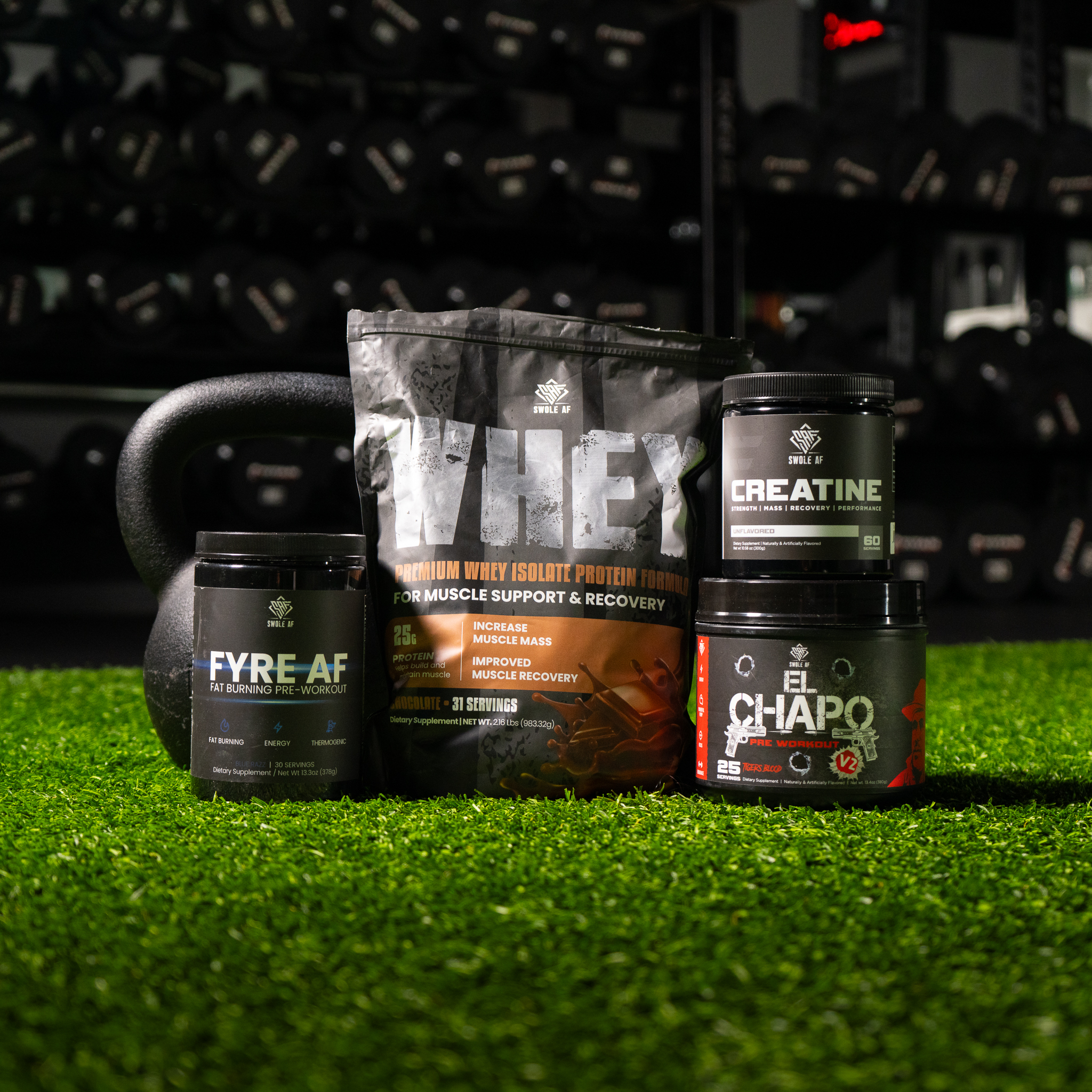
At Swoleaf Nutrition, we believe in evidence-based supplementation that actually works. Fat burners can be valuable tools when properly formulated and correctly used , but only as part of a complete approach to training, nutrition, and recovery. See here.
If you’re going to use one, invest in quality products with transparent labeling, clinically effective doses, and third-party testing. Your results and your health are worth it.
Complete Reference List
PMC — Dietary Supplements for Weight Management: A Narrative Review
https://pmc.ncbi.nlm.nih.gov/articles/PMC9099655/
Cleveland Clinic — Do Fat Burners Work?
https://health.clevelandclinic.org/do-fat-burners-work
Healthline — Do Thermogenic Supplements Work?
https://www.healthline.com/nutrition/thermogenics
Mayo Clinic — Dietary Supplements for Weight Loss
https://www.mayoclinic.org/healthy-lifestyle/weight-loss/in-depth/weight-loss/art-20046409
National Institutes of Health (NIH), Office of Dietary Supplements — Caffeine Fact Sheet for Health Professionals
https://ods.od.nih.gov/factsheets/Caffeine-HealthProfessional/
National Center for Complementary and Integrative Health (NCCIH) — Green Tea
https://www.nccih.nih.gov/health/green-tea
PubMed / NLM — l-Carnitine supplementation in recovery after exercise
https://pubmed.ncbi.nlm.nih.gov/21951331/
Verywell Health — Safety Concerns of Yohimbe
https://www.verywellhealth.com/safety-concerns-of-yohimbe-89535
NIH, Office of Dietary Supplements — Dietary Supplements for Weight Loss Fact Sheet for Health Professionals
https://ods.od.nih.gov/factsheets/WeightLoss-HealthProfessional/
Healthline — Glucomannan: Is It an Effective Weight Loss Supplement?
https://www.healthline.com/nutrition/glucomannan
PubMed / NLM — The efficacy of glucomannan supplementation in overweight and obesity: systematic review and meta-analysis
https://pubmed.ncbi.nlm.nih.gov/24533610/
PubMed / NLM — Safety and efficacy of glucomannan for weight loss in overweight and moderately obese adults
https://pubmed.ncbi.nlm.nih.gov/24490058/
PubMed / NLM — Glucomannan and obesity: a critical review
https://pubmed.ncbi.nlm.nih.gov/16320857/