People make cutting body fat sound simple. Eat less. Train harder. Maybe grab a “fat burner.” Problem solved.
Except it rarely plays out that cleanly.
Anyone who has spent a few weeks in a real calorie deficit knows what tends to happen. Energy dips earlier than expected. Hunger shows up constantly. Strength that once felt stable suddenly starts wobbling.
That’s usually the point where people start looking at supplements.
The Best Supplements for Cutting and Fat Loss aren’t miracle tools. They won’t melt fat on their own. But they can smooth some of the rough edges that show up when calories drop. Slightly better workouts. Less aggressive hunger. Maybe a bit more consistency week to week.
Some help training performance. Others make dieting easier to stick with. None replace diet and training.
But in the right context, they help.
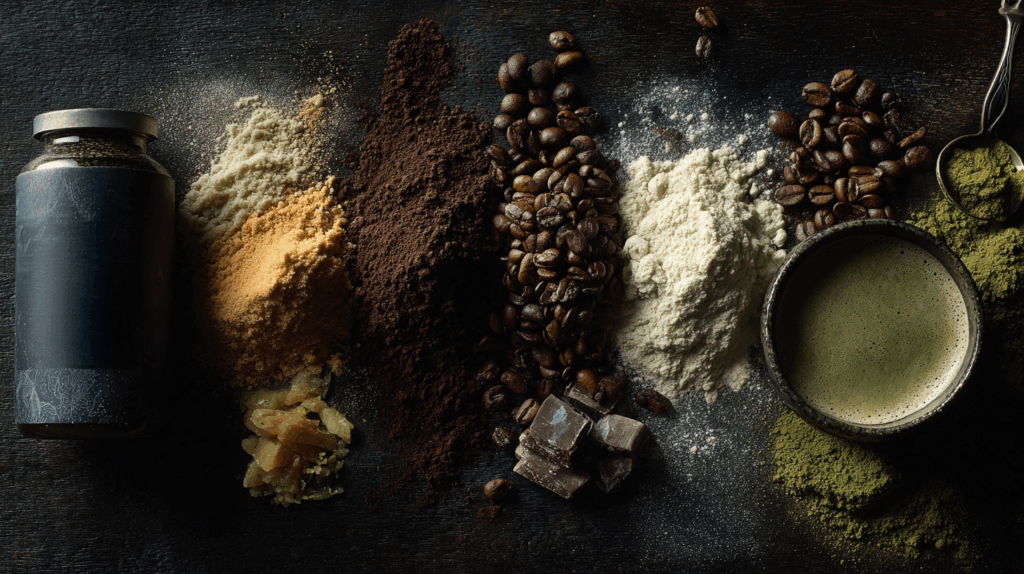
Caffeine: The Most Reliable Fat-Loss Aid
Most people don’t think of caffeine as a supplement. It feels too ordinary.
Coffee before a workout. Maybe an energy drink during a long afternoon. Nothing fancy.
Still, caffeine quietly sits at the center of many fat-loss products. There’s a reason for that. It consistently works.
Caffeine stimulates the central nervous system. Energy increases. Focus sharpens. Workouts suddenly feel more manageable.
There’s another piece happening in the background. Research suggests caffeine can increase fat oxidation during exercise.
That’s one reason caffeine shows up in so many fat-loss supplements.
Dosage usually falls somewhere between 100 and 300 milligrams before training. Though here’s where Some feel great on strong doses. Others get shaky with far less.
Researchers have studied caffeine’s metabolic effects for years. For a deeper dive see the study: caffeine and metabolism research findings.
Of course, caffeine alone doesn’t produce fat loss. But better workouts tend to push the overall process forward.
Protein Powder: Protect Muscle While Cutting
Here’s something beginners often don’t realize right away.
Fat loss rarely removes only fat.
Cutting calories changes more than body fat.
If protein intake slips too low, the body sometimes begins breaking down muscle tissue along with fat. That’s the part people rarely expect. The scale drops, yet the mirror doesn’t show the lean look they were hoping for.
Muscle loss is often the reason.
Protein helps protect against that.
When protein intake stays high during a calorie deficit, muscle tissue is far more likely to stick around. Another benefit appears pretty quickly as well. People usually stay fuller longer and cravings become easier to manage.
That’s where protein powder becomes practical.
Plenty of people hit protein targets using whole foods alone. Chicken, fish, eggs, yogurt. It all works.
But real life interferes. Busy schedules. Missed meals. Days when cooking just isn’t happening.
A quick shake can fill those gaps.
Whey vs. Casein Protein
Protein supplements come in different forms, though two options show up most often.
Whey protein tends to be the default. It digests quickly and delivers a full spectrum of essential amino acids, which makes it convenient around workouts or between meals.
Casein behaves differently. It digests slowly. That slower release means amino acids enter the bloodstream more gradually.
The general pattern stays consistent across studies.
When protein stays high during a cut, muscle loss tends to stay lower.
Simple idea. Harder to follow in practice.
See: protein intake and muscle preservation research.
Green Tea Extract: Quiet Metabolism Support
Green tea has been part of traditional diets for centuries. Long before supplement companies existed, people simply drank it because they enjoyed it.
Later, researchers began studying the compounds inside it.
The most discussed one is EGCG, a catechin that may influence thermogenesis. That’s the body’s process of generating heat and burning calories.
Now, the effect is not dramatic. Anyone expecting green tea extract to melt fat quickly will likely feel disappointed.
But small metabolic improvements can still matter during a long dieting phase.
Some research suggests green tea works especially well alongside caffeine. The two compounds appear to complement each other when it comes to fat oxidation.
That pairing shows up frequently in fat-loss supplements.
Some people prefer capsules. Others simply drink several cups of green tea throughout the day. Both approaches appear in real-world routines.
Researchers have examined green tea’s role in fat metabolism for years.
Another Pubmed journal entry on green tea catechin fat oxidation studies, shows green tea extract as background support. Not the main driver of fat loss. But small advantages accumulate over time.
Creatine: Strength Insurance During a Cut
Creatine still carries a reputation as a “bulking supplement.”
That assumption has stuck around for decades, even though the science tells a different story.
During a calorie deficit, strength often declines. Workouts feel heavier. Reps disappear earlier. Training motivation drops faster than expected.
Creatine helps buffer that decline.
Inside muscle cells, creatine increases phosphocreatine stores. Those stores help regenerate ATP, the molecule responsible for short bursts of high-intensity effort.
The practical result looks simple.
An extra rep here. Slightly stronger lifts there. Training sessions that remain productive even while calories are lower.
That matters more than people expect.
When workouts stay strong, muscle mass tends to hold steady while body fat decreases.
Creatine also happens to be one of the most researched supplements in sports nutrition. Safety and performance data go back decades.
Large reviews continue to support its effectiveness.
Based on the Pubmed Journal: creatine supplementation performance review , most people take about 3 to 5 grams daily. Nothing complicated. Just steady intake.
Fiber Supplements and Appetite Control
Ask people what makes dieting hardest and you’ll usually hear the same answer.
Hunger.
Not the workouts. Not the meal prep. Just the constant awareness that food intake is lower than usual.
Fiber supplements sometimes help with that.
That’s where many people misunderstand them.
Their role is simpler. They make a calorie deficit easier to tolerate. And when someone can stick to their diet longer, fat loss usually follows.
Based on the Pubmed Journal: dietary fiber effects on satiety research , ometimes the most effective solution isn’t complicated. Eat enough fiber and hunger becomes quieter.
Beta Alanine
Low calories tend to bring predictable changes.
Energy drops. Motivation dips. Workouts start feeling slower than usual.
At first the difference might be subtle. A missed rep here. Slightly shorter workouts there.
Over time, performance can slide.
Some supplements try to counter that drop in performance.
Beta alanine is one example. It helps buffer the acid buildup that occurs during intense exercise. When that buildup slows down, muscles can keep working a little longer before fatigue sets in.
Citrulline malate works through a different mechanism. It increases nitric oxide production, which improves blood flow to working muscles.
In real-world training, that often translates to better endurance and stronger pumps during workouts.
Neither compound burns fat directly.
But they support the training side of the equation.
And better workouts often translate into higher energy expenditure and better muscle retention during a cut.
Those factors quietly influence fat loss more than people sometimes realize.
L-Carnitine: Popular but Often Misunderstood
L-carnitine appears in many fat-burning supplements. The theory behind it sounds convincing.
Carnitine helps transport fatty acids into mitochondria where they can be used for energy.
At first glance, the idea seems obvious. Increase carnitine, increase fat burning.
Human physiology doesn’t always follow simple logic.
In healthy individuals eating balanced diets, the body usually produces enough carnitine already. Adding more through supplements doesn’t necessarily increase fat oxidation significantly.
That’s why results vary.
Some research suggests L-carnitine may support endurance performance or recovery in certain conditions. It may also help individuals with specific deficiencies or low dietary intake.
But calling it a universal fat burner would stretch the evidence.
Used carefully, it may provide modest benefits.
Used without context, expectations tend to run ahead of reality.
Quick Comparison:
When people start a cutting phase, they usually ask the same question: Which supplements actually help? Not the flashy marketing claims. The ones that quietly support real progress.
This table pulls together the Best Supplements for Cutting and Fat Loss and explains what they realistically contribute. No hype. Just practical context.
| Supplement | What It Actually Helps With | Why People Use It During a Cut | Typical Daily Amount | Real-World Notes |
| Caffeine | Boosts alertness and training energy | Helps workouts stay intense even when calories drop | 100–300 mg before training | Many lifters rely on coffee rather than capsules. The effect feels simple but powerful. Energy, focus, and sometimes a slight increase in fat oxidation during exercise. |
| Protein Powder | Preserves muscle and improves fullness | Makes it easier to hit daily protein targets without cooking another full meal | 20–40 g per serving | Not essential, but extremely convenient. Especially helpful on busy days when preparing extra protein sources feels unrealistic. Consistency tends to matter more than the exact brand. |
| Green Tea Extract | Supports mild metabolic activity | Provides small thermogenic support, often paired with caffeine | 400–500 mg extract daily | The effect is subtle. Most people notice little on its own, but combined with caffeine it may help slightly during long dieting phases. |
| Creatine Monohydrate | Maintains strength and training output | Helps prevent strength loss while calories are low | 3–5 g daily | One of the most researched supplements in sports nutrition. Despite the myth, it works just as well during cutting as it does during muscle-building phases. |
| Glucomannan (Fiber) | Improves satiety and reduces hunger | Expands in the stomach to help meals feel more filling | 1–3 g before meals | Hunger becomes the hardest part of dieting for many people. Fiber supplements don’t burn fat, but they can make calorie restriction easier to tolerate. |
| Psyllium Husk | Stabilizes digestion and blood sugar | Helps control hunger spikes between meals | 5–10 g daily | Often used for digestive health, but many people discover it’s useful during dieting because it smooths out appetite swings. |
| Beta Alanine | Improves muscular endurance | Allows longer training sets before fatigue kicks in | 2–5 g daily | The tingling sensation surprises new users. Harmless, just unusual. Over time it helps delay muscle fatigue during high-intensity training. |
| Citrulline Malate | Enhances blood flow and workout endurance | Improves pump and training performance | 6–8 g before training | Many athletes use this in pre-workout stacks. The main benefit is better training quality rather than direct fat loss. |
| L-Carnitine | Supports fat metabolism and endurance | Sometimes used for recovery or metabolic support | 1–3 g daily | Often misunderstood. It isn’t a miracle fat burner. But in certain contexts, especially endurance training, it may support energy metabolism. |
How Most People Actually Use These Supplements
In practice, few people take all of these at once. Most experienced athletes keep things simple.
A common stack during a cutting phase might look something like this:
Caffeine before training
Protein powder to help hit daily protein goals
Creatine to protect strength
Fiber supplements if hunger becomes difficult to manage
Everything else tends to be optional.
This tends to surprise beginners. Marketing often suggests a long list of products is necessary. Real-world routines usually look much simpler.
These are rarely complicated. They simply support the habits already doing the real work: a calorie deficit, consistent strength training, and patience.
Because in the end, supplements don’t drive fat loss.
They just make the process easier to stick with long enough to see results.
Final Thoughts
Fat loss rarely comes from one perfect strategy.
More often, it develops from several habits stacked together over time. A steady calorie deficit. Regular strength training. Adequate sleep. Enough patience to stay consistent when progress slows.
Within that system, the Best Supplements for Cutting and Fat Loss can still play a useful supporting role.
Caffeine keeps workouts sharp. Protein protects muscle mass. Creatine helps preserve strength. Fiber supplements make dieting easier to sustain.
None of those things replace discipline.