
The Real Reason You Don’t Have a Six Pack Yet Has Nothing to Do With Crunches
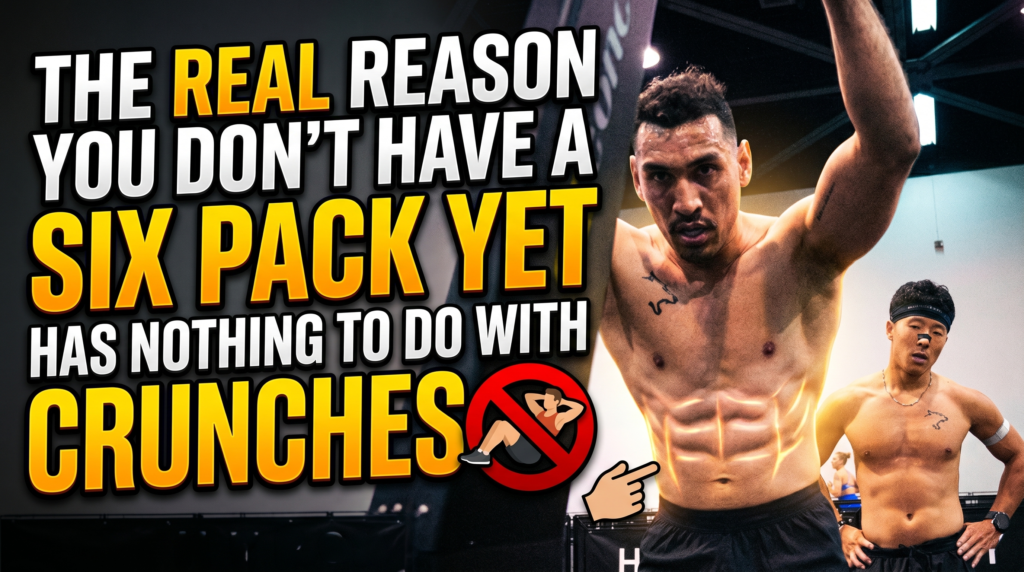
Abs are made in the kitchen, revealed by your body fat percentage, and built – not with crunches – but with heavy compound lifts and a calorie deficit.
That’s the whole article. But since you’re here, let’s actually break it down.
Abs Are Already There – You Just Can’t See Them Yet
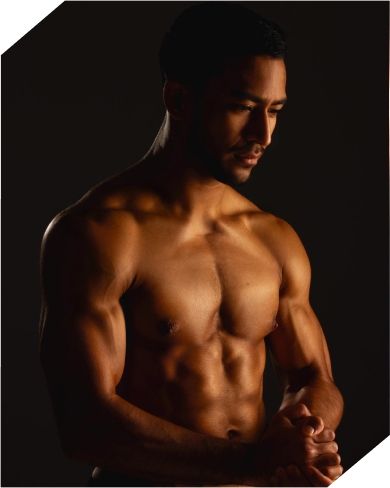
Every person reading this has a six pack. It’s underneath the layer of body fat sitting on top of it.
Getting visible abs isn’t about building the muscle. It’s about lowering your body fat enough to reveal what’s already there.
For most men, that means getting to roughly 10–13% body fat. For women, 16–20%. Those numbers aren’t extreme – but they do require consistency.
Why Crunches Are the Least Important Part
Your abs get trained harder during a heavy squat or deadlift than they ever do during a crunch set.
Compound movements force your core to brace and stabilize under load. That builds real ab thickness – the kind that shows up when you’re lean.
Crunches aren’t useless. But if you’re doing 100 crunches a day and skipping squats, you’ve got the priorities backwards.
The Two Things That Actually Get You There
1. A real calorie deficit. You cannot out-train a bad diet. A 300–500 calorie daily deficit, sustained for 8–16 weeks, is what actually drops body fat. Not detoxes. Not cutting carbs. A consistent, moderate deficit.
2. Preserving muscle while you cut. This is where most people fail. They crash diet, lose muscle along with fat, and end up “skinny fat” – lower weight, but no definition.
Lift heavy while you cut. Eat enough protein. The goal is fat loss, not just weight loss.
What About Ab-Specific Training?
Yes, train your abs directly – but do it smart.
Weighted ab exercises like cable crunches, hanging leg raises, and ab wheel rollouts build actual thickness and definition. Bodyweight crunches done for high reps mostly just burn out your hip flexors.
3-4 sets, 2x per week. That’s plenty. The rest of the work happens at the table and in the mirror tracking your deficit.
The Honest Timeline
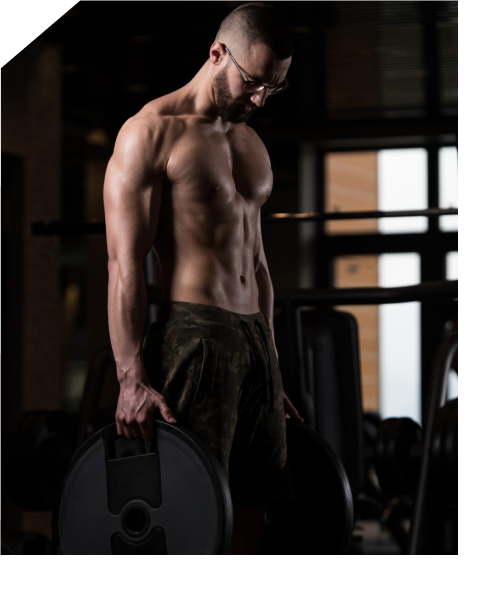
If you’re starting at around 20% body fat, expect 16–24 weeks of consistent work to get into six-pack range.
That’s not a long time. It’s one summer commitment.
The people who never see results aren’t failing because they don’t know what to do. They’re failing because they stop three weeks before it would have worked.
The Bottom Line
A six pack requires three things: low enough body fat, developed ab muscle underneath, and the patience to let the process work.
None of that requires a miracle supplement, a special program, or doing 500 crunches a day.
It requires a deficit, heavy lifting, and enough protein to keep the muscle you’ve built.
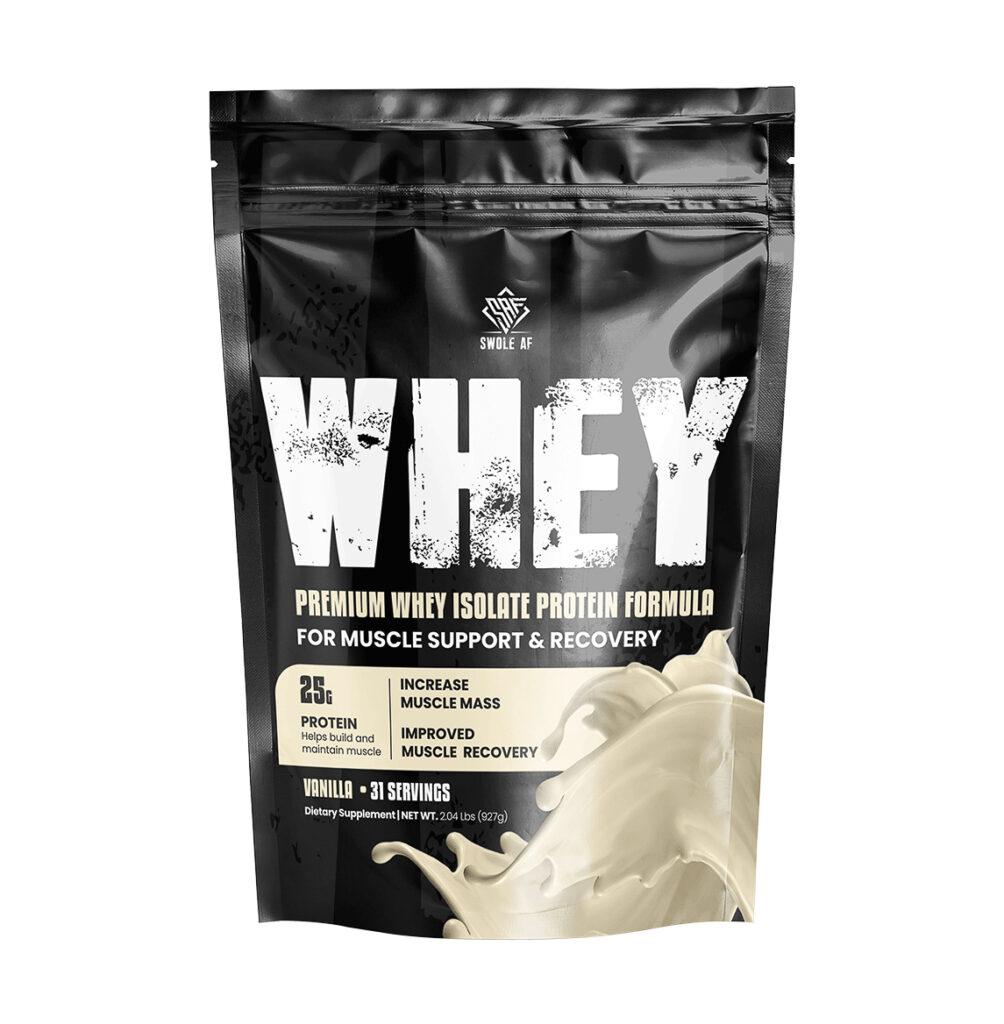
If you’re on the road to get that six pack, you’ll need help with your protein intake
Let us help with our insane Sale prices!